
What Are The Morocco Imperial Cities?
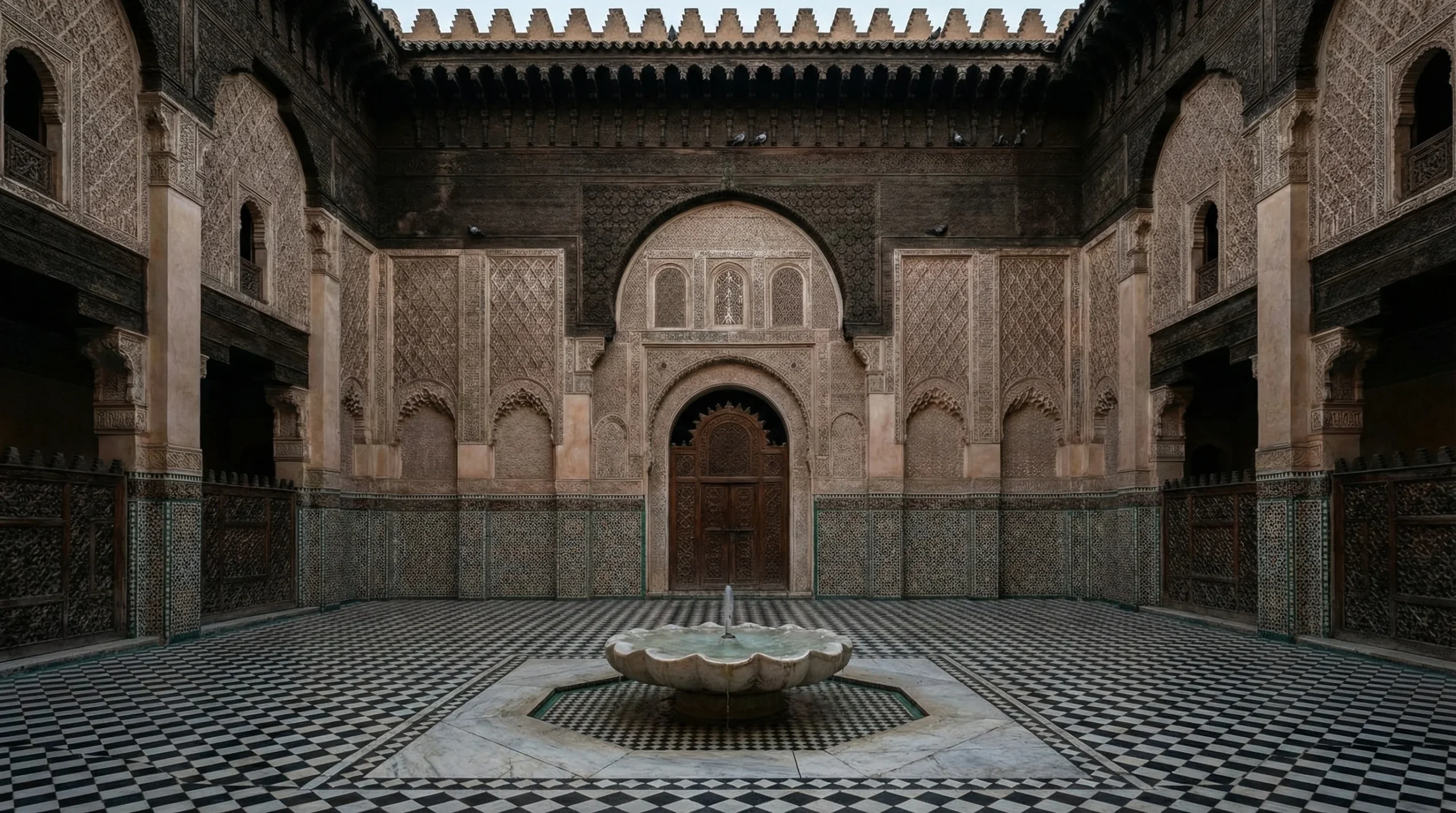
The Morocco imperial cities form the backbone of the country’s historical and political identity. These cities; Fes, Marrakech, Meknes, and Rabat—served as capitals under different dynasties from the 8th century to modern times. Each city reflects a distinct phase in Moroccan state formation, urban planning, and architectural development.
Rulers did not choose these cities randomly. They built them to secure power, control trade, organize religion, and defend territory. Their locations follow strategic routes between mountains, deserts, and coastal plains. Over time, these cities became centers of governance, knowledge, commerce, and military control.
This article explores the Morocco imperial cities through historical context, architectural forms, and urban functions, using academic perspectives on how cities evolve under political authority.
What Defines the Morocco Imperial Cities?
The term “imperial city” refers to cities that served as political capitals under ruling dynasties. Morocco has four:
- Fes (Idrisid foundation, religious and intellectual center)
- Marrakech (Almoravid capital, trade and expansion)
- Meknes (Alaouite military capital)
- Rabat (modern administrative capital with imperial roots)
Each city reflects a specific political strategy:
- control knowledge
- dominate trade
- centralize power
- administer territory
Urban historians emphasize that Moroccan imperial cities follow Islamic urban planning principles:
- inward-facing architecture
- narrow streets for climate control
- integration of religious and economic spaces
- fortified walls for defense
Fes – Intellectual, Spiritual and Urban Complexity
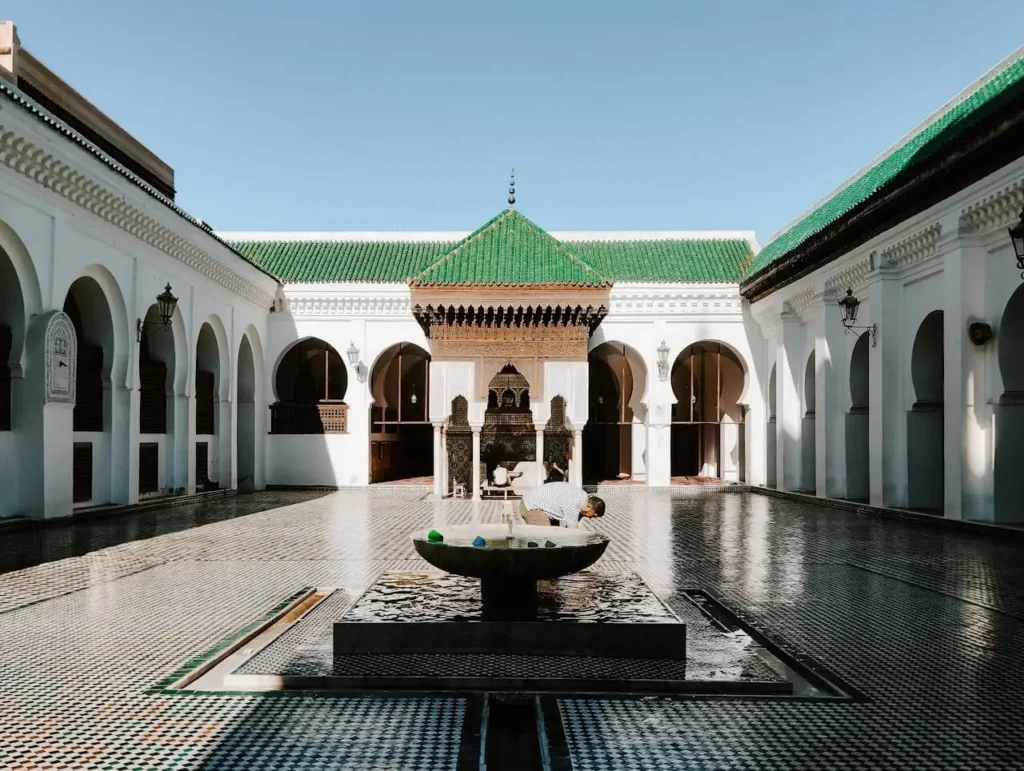
Founded between 789 and 808, Fes stands as the oldest of the Morocco imperial cities. Idris I and Idris II established it as a political and religious center.
Historical Role
Fes became the intellectual capital of Morocco. Scholars, jurists, and theologians gathered here. The city hosted one of the earliest universities in the Islamic world, the University of al-Qarawiyyin, founded in 859.
Fes controlled trade routes linking:
- the Mediterranean
- Sub-Saharan Africa
- Andalusia
Dynasties such as the Marinids reinforced its role by building madrasas and religious institutions.
Architecture
Fes developed organically. The medina, Fes el-Bali, remains one of the largest and most complex medieval urban systems.
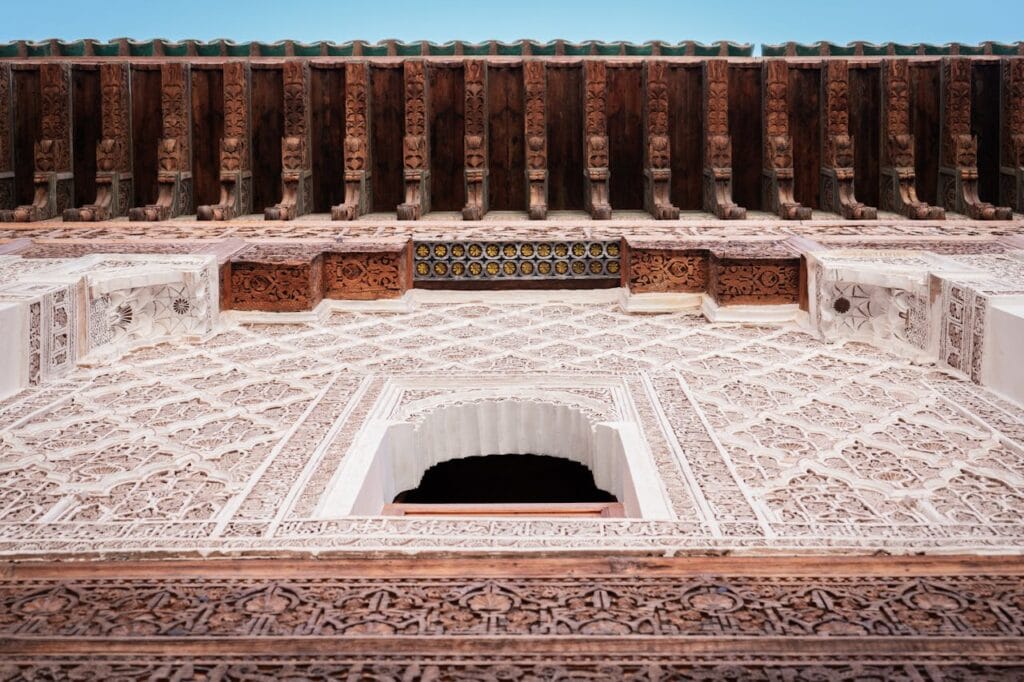
Builders used:
- rammed earth (pisé)
- cedar wood
- carved plaster
- zellige tiles
Architecture focused on interior space. Houses open inward to courtyards. Streets remain narrow to reduce heat and provide shade.
Medina Structure
The medina divides into functional zones:
- artisan quarters (leather, metal, textiles)
- religious institutions
- residential areas
This organization reflects a guild-based economic system.
Mellah and Royal Protection
The Jewish quarter (mellah) in Fes developed later near the royal palace. Authorities placed it there to ensure protection under the Sultan. This proximity also allowed economic interaction between Jewish merchants and royal administration.
Characteristics
- Oldest imperial city
- Largest traditional medina
- Intellectual and spiritual authority
- Complex and organic urban layout
Fes represents knowledge, religion, and continuity.
Marrakech – Trade, Power and Monumental Visibility
Founded in 1062 by the Almoravids, Marrakech emerged as a strategic capital linking desert trade and northern regions.
Historical Role
Marrakech became the economic engine of Morocco. It connected trans-Saharan trade routes that transported:
- gold
- salt
- textiles
Under the Almohads, Marrakech expanded into a political capital controlling parts of North Africa and Al-Andalus.
Architecture
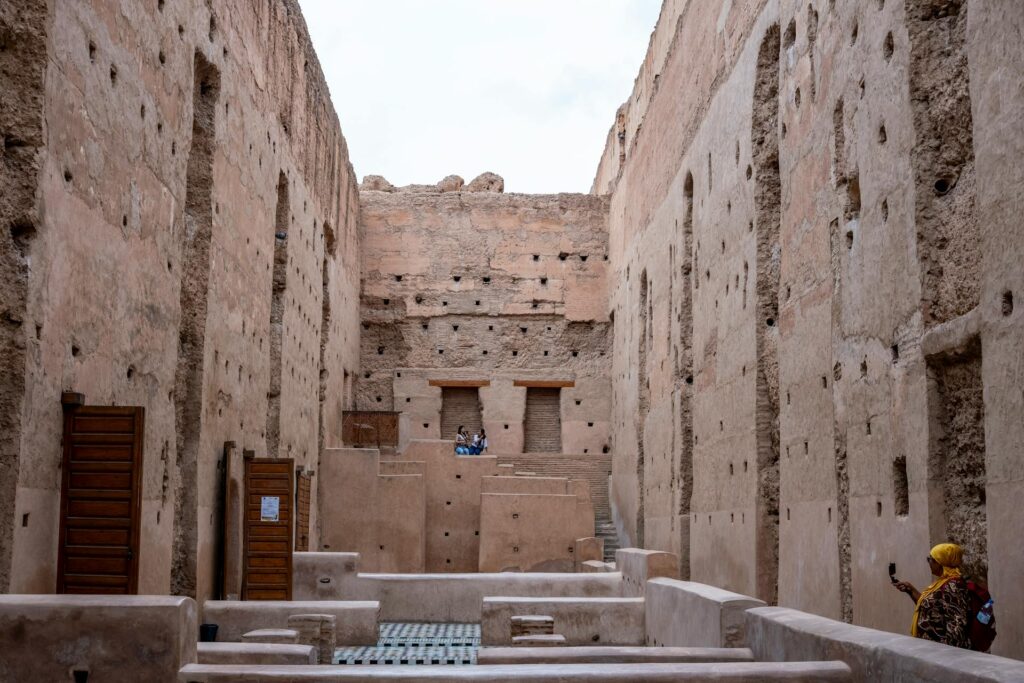
Marrakech introduced monumental architecture. Builders used:
- red sandstone
- clay
- lime plaster
The city earned the name “Red City.”
Major structures include:
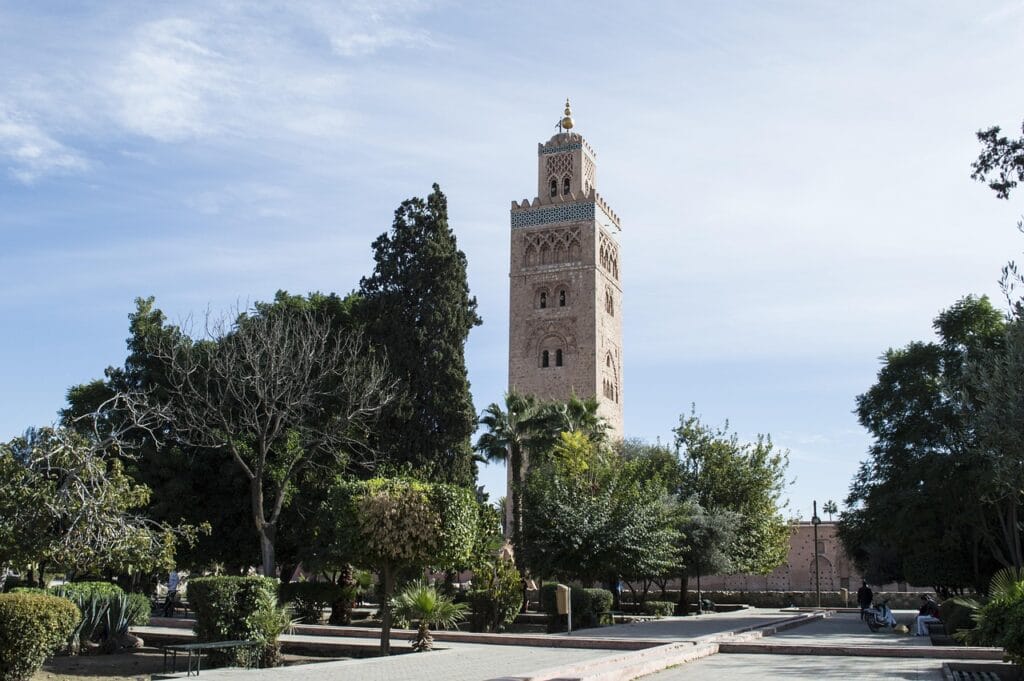
- Koutoubia Mosque, built in the 12th century
- fortified ramparts stretching over 19 km
- large palace complexes
Urban Design
Unlike Fes, Marrakech features:
- wider streets
- open public squares
- visible monumental buildings
The famous Jemaa el-Fnaa developed as a central market and social space.
Mellah and Royal Proximity
The mellah in Marrakech developed near the royal palace during the Saadian period. Authorities placed it there for protection and administrative control. Jewish communities played key roles in trade and diplomacy.
Characteristics
- Trade and economic center
- Monumental architecture
- Open urban spaces
- Strong connection to desert routes
Marrakech reflects power through visibility and economic influence.
Meknes: Military Authority and Controlled Urban Design
Meknes became an imperial capital in the 17th century under Sultan Moulay Ismail (1672–1727).
Historical Role
Moulay Ismail aimed to centralize authority and create a strong state. He built Meknes as a military and administrative capital.
The city housed:
- royal army units
- administrative institutions
- storage facilities for food and supplies
Architecture
Meknes stands out for its planned urban design.
Builders constructed:
- massive walls (over 40 km)
- monumental gates such as Bab Mansour
- royal granaries and stables
Materials include:
- rammed earth
- stone
- lime mortar
Construction relied on large labor forces and centralized planning.
Urban Structure
The city separates:
- royal compounds
- military zones
- civilian areas
This reflects a controlled urban model, unlike the organic layout of Fes.
Mellah and Protection System
The mellah in Meknes developed close to the palace complex. This ensured security for Jewish communities while maintaining economic links with the royal court.
Characteristics
- Military capital
- Strong defensive architecture
- Planned urban layout
- Symbol of centralized authority
Meknes represents discipline, control, and royal power.
Rabat: Political Continuity and Modern Governance
Founded in the 12th century by the Almohads, Rabat evolved into Morocco’s modern capital.
Historical Role
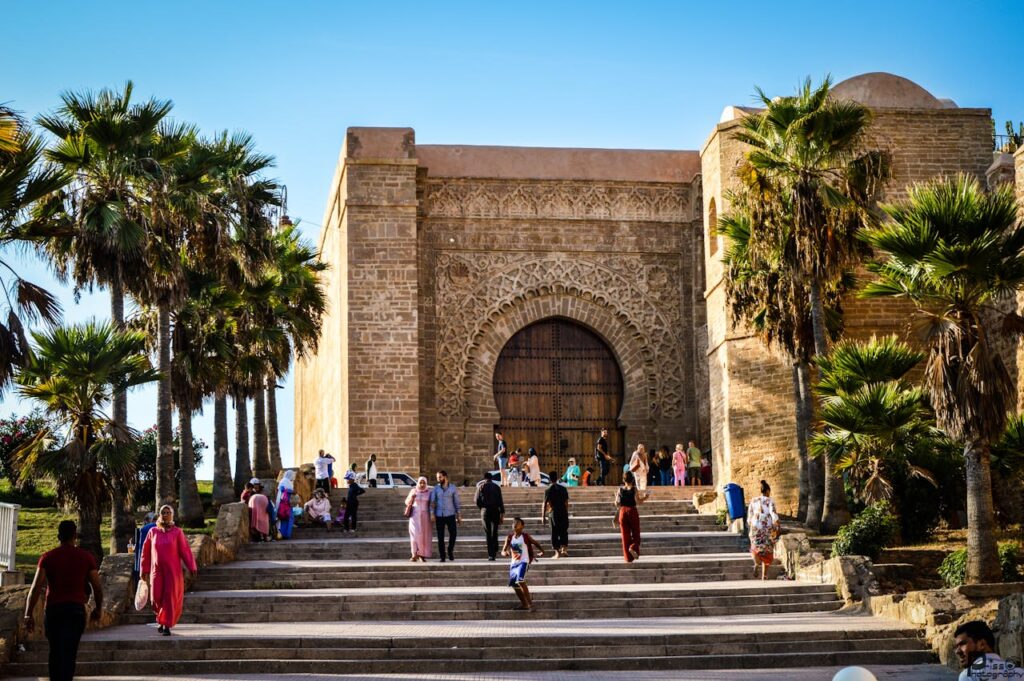
The Almohads planned Rabat as a grand imperial capital. Construction slowed after the ruler’s death. The city regained importance under the Alaouites.
In 1912, Rabat became the official capital during the French protectorate. It remained the capital after independence.
Architecture
Rabat combines:
- historical monuments
- modern urban planning
Key structures include:
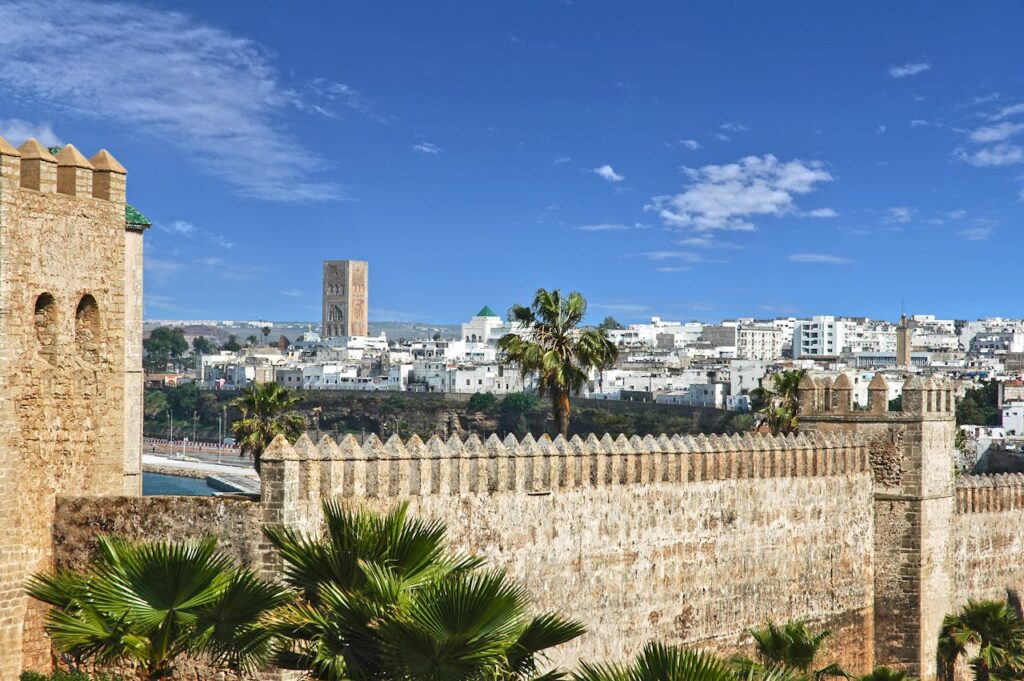
- Hassan Tower (12th century)
- Kasbah of the Udayas
Builders used:
- stone
- lime plaster
- traditional earth techniques
Urban Characteristics
Rabat differs from other imperial cities:
- wide avenues
- organized districts
- integration of green spaces
Mellah and Urban Integration
The mellah in Rabat followed the same principle. It developed near the center of power to ensure protection and economic interaction.
Characteristics
- Administrative capital
- Balanced modern and historic city
- Political continuity
- Structured urban planning
Rabat represents stability and governance.
Mellahs and Royal Protection System
Across the Morocco imperial cities, mellahs share a common principle. Authorities placed Jewish quarters near royal palaces.
This decision served several purposes:
- protection under the Sultan
- economic integration
- administrative control
The proximity allowed Jewish communities to:
- engage in trade
- serve as intermediaries
- contribute to financial systems
Urban historians view mellahs as part of the political and social structure of imperial cities.
Comparing the Morocco Imperial Cities
Each city reflects a different function:
- Fes → knowledge and religion
- Marrakech → trade and expansion
- Meknes → military power
- Rabat → administration and continuity
Together, they form a complete system of governance.
Architecture and Materials Across Imperial Cities
Common elements include:
- earth-based construction
- climate-adapted design
- decorative craftsmanship
Techniques:
- pisé (rammed earth)
- carved plaster
- zellige tilework
- cedar wood carving
These techniques reflect both environmental adaptation and cultural identity.
Why the Morocco Imperial Cities Matter Today
The Morocco imperial cities remain active urban centers. They preserve centuries of knowledge about:
- architecture
- governance
- social organization
They also demonstrate how cities evolve while maintaining cultural continuity.
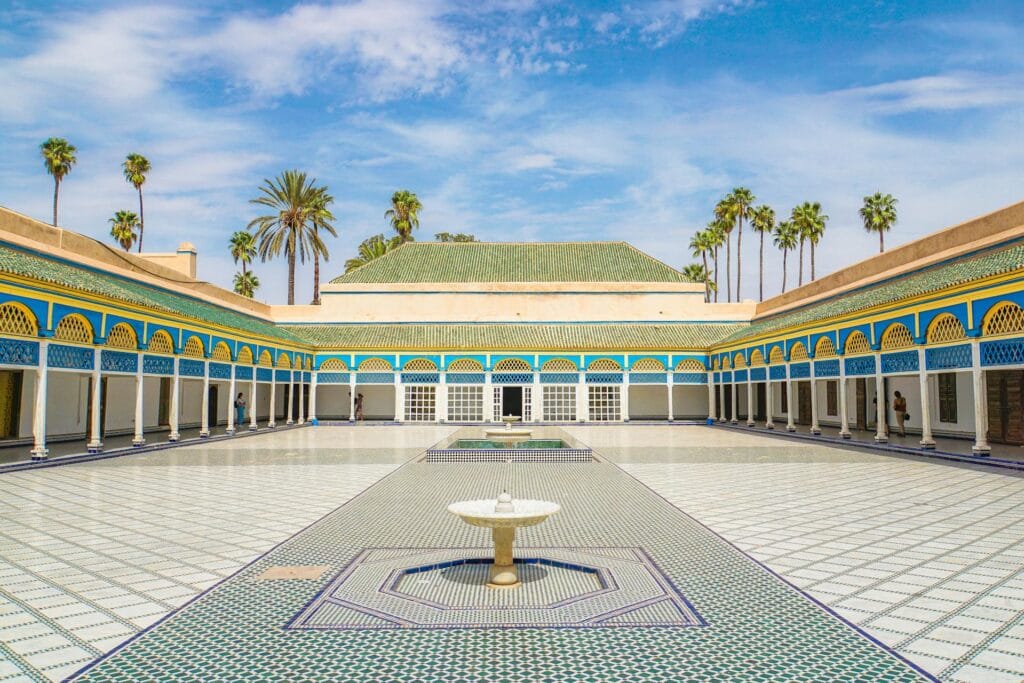
The Morocco imperial cities provide a clear narrative of the country’s evolution. Each city reflects a distinct phase of power, culture, and architecture.
From the intellectual depth of Fes to the trade-driven expansion of Marrakech, from the military strength of Meknes to the political stability of Rabat, these cities define Morocco.
Understanding them means understanding the foundations of Moroccan identity.