
Discover Morocco’s coastline from Tangier to Dakhla through ocean systems, history, and coastal life
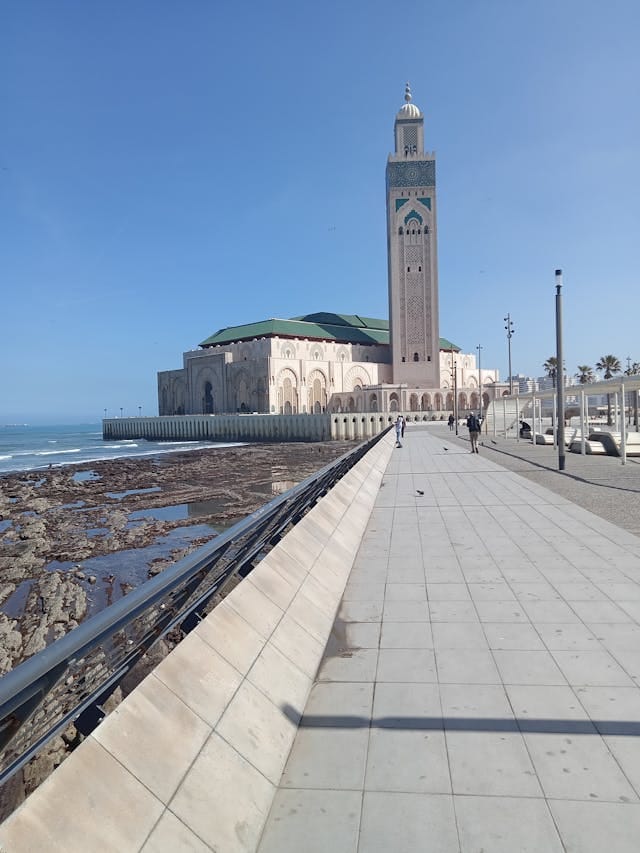
The Morocco Atlantic coast extends for more than 1,000 kilometers along the western edge of North Africa. It stretches from the Strait of Gibraltar in the north to the desert lagoon systems in the south. This coastline has shaped Morocco’s economic, cultural, and environmental history for centuries. Unlike inland regions, coastal areas developed through interaction with the ocean, maritime trade, and ecological systems.
Geographers and historians explain that coastal regions often act as interfaces between land-based societies and global exchange networks. In Morocco, this role appears clearly along the Atlantic shoreline. Ports, fishing settlements, and coastal cities grew in response to ocean conditions, trade routes, and political strategies. The Atlantic coast therefore offers a different perspective on Moroccan identity, one defined by movement, exchange, and adaptation.
Geographic Structure and Ocean Systems
The Morocco Atlantic coast forms part of the eastern boundary of the Atlantic Ocean. It includes a wide variety of landscapes. Rocky cliffs dominate the northern sections, while sandy beaches and lagoons appear further south. Arid coastal plains emerge as the coastline approaches the Sahara.
Oceanographic research highlights the influence of the Canary Current, a cold ocean current that flows southward along the northwest African coast. This current reduces sea surface temperatures and creates nutrient-rich upwelling systems. These systems support marine ecosystems and sustain fishing industries. They also shape climate conditions along the coast.
The presence of upwelling explains why the ocean remains relatively cool even in summer. It also explains the abundance of fish species such as sardines and mackerel. These natural conditions influenced where people settled and how they organized economic activity.
Historical Development of the Atlantic Coast
The Morocco Atlantic coast has long connected inland regions to maritime networks. Archaeological evidence suggests that early populations used natural harbors for navigation and exchange. Phoenician traders and later Roman settlements established points along the coast to facilitate trade.
During the Islamic period, coastal towns became part of broader trade systems linking the Sahara, the Mediterranean, and the Atlantic. Goods moved across the desert and reached ports where they could travel further by sea. This created a dynamic relationship between inland routes and coastal markets.
From the 15th century onward, European powers established fortified positions along the coast. Portuguese influence appears in several coastal cities. These interventions introduced new architectural forms and defensive structures. In later centuries, coastal cities expanded as commercial ports. Infrastructure development reinforced their economic importance and integrated them into global trade systems.
Northern Coastal Cities and Maritime Exchange
Tangier occupies a unique geographic position at the meeting point of the Atlantic Ocean and the Mediterranean Sea. This location gave the city a central role in maritime exchange and diplomacy. Its function as a gateway between Europe and Africa shaped its identity. The city developed a diverse urban structure influenced by multiple cultures. Its architecture reflects both local traditions and external influences. The presence of international communities over time reinforced its role as a contact zone between continents.
Further south, Rabat combines coastal geography with political autority. The city developed as an administrative center while maintaining a strong connection to the ocean. Its urban organization reflects planned development rather than organic growth. Wide avenues and structured districts contrast with traditional medinas. Coastal fortifications and historical sites demonstrate how rulers used the coastline for defense and control. Rabat’s role as a capital highlights the continued importance of the Atlantic coast in modern governance.
Casablanca represents the economic core of the Morocco Atlantic coast. The city developed into the country’s main port and industrial hub. Its growth reflects the integration of Morocco into global economic systems. The port handles large volumes of trade, linking Morocco to international markets. The urban landscape shows modern infrastructure and large-scale development. Casablanca’s characteristics illustrate how coastal cities can transform into economic engines while maintaining their maritime foundations.
Central Coast and Planned Port Cities
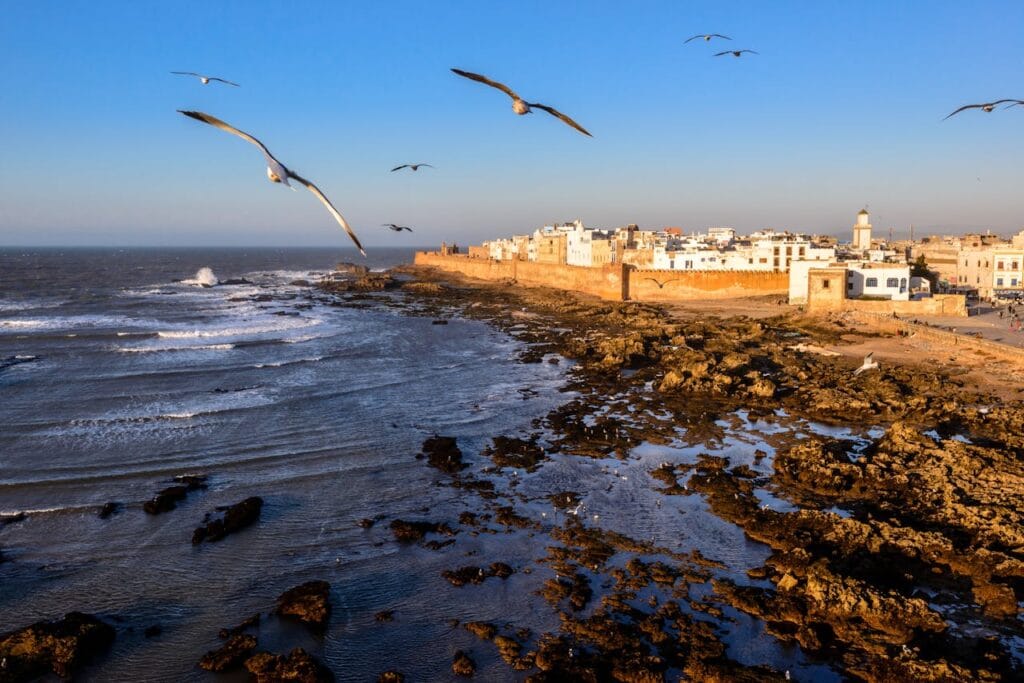
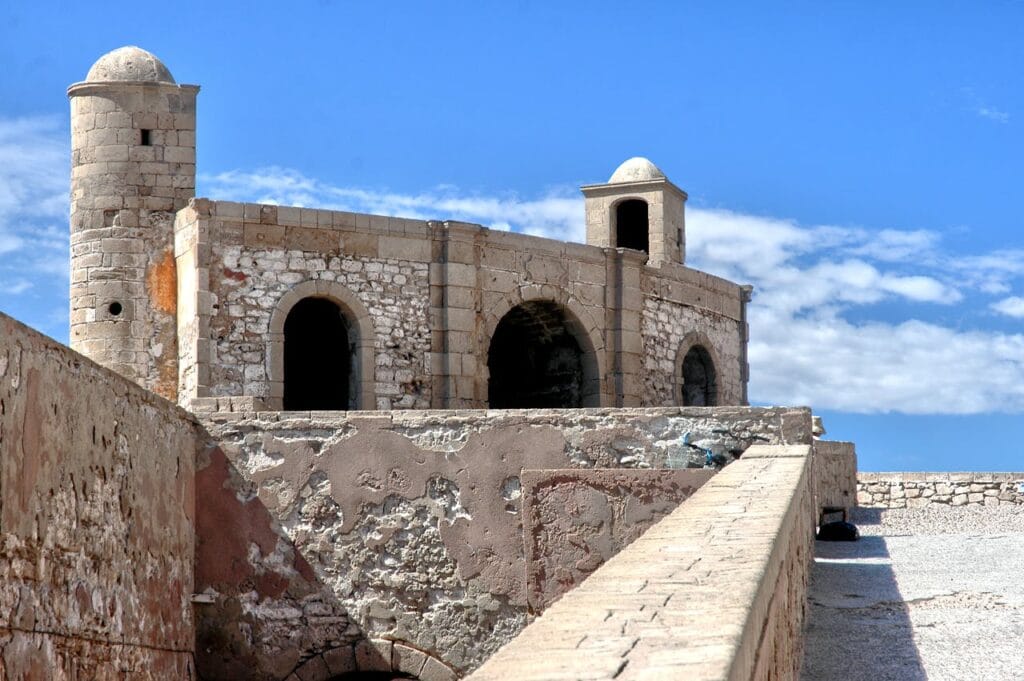
Essaouira offers a different example of coastal development. Founded in 1765 by Sultan Mohammed III, the city was designed as a strategic port. European engineers contributed to its layout, creating a structured grid pattern combined with traditional Moroccan elements. Its role as a trade hub connected inland regions to Atlantic routes. Strong winds, caused by Atlantic atmospheric systems, shape daily life and influence economic activities such as fishing and wind-based sports. The city’s architecture, with fortified walls and open spaces, reflects both defensive needs and commercial functions.
Moving south, coastal lagoons and smaller settlements appear. These areas support fishing communities that depend on marine ecosystems. The lagoon systems provide sheltered environments for marine life and human activity. Local economies revolve around fishing, small-scale trade, and resource management. These settlements illustrate how people adapt to specific environmental conditions along the Morocco Atlantic coast.
Argan Landscapes and Coastal Adaptation
Between Essaouira and Agadir, the coastline intersects with argan tree ecosystems. The argan tree is endemic to Morocco and adapted to semi-arid coastal environments. Its deep root system allows it to survive in dry conditions while stabilizing soil and preventing erosion.
Local communities developed agricultural systems around this tree. Argan oil production became an important economic activity. This relationship between environment and human activity shows how coastal regions support unique forms of adaptation. The presence of argan landscapes adds another layer to the diversity of the Morocco Atlantic coast.
Southern Transition Morocco Atlantic Coast: From Coastal Plains to Desert Systems
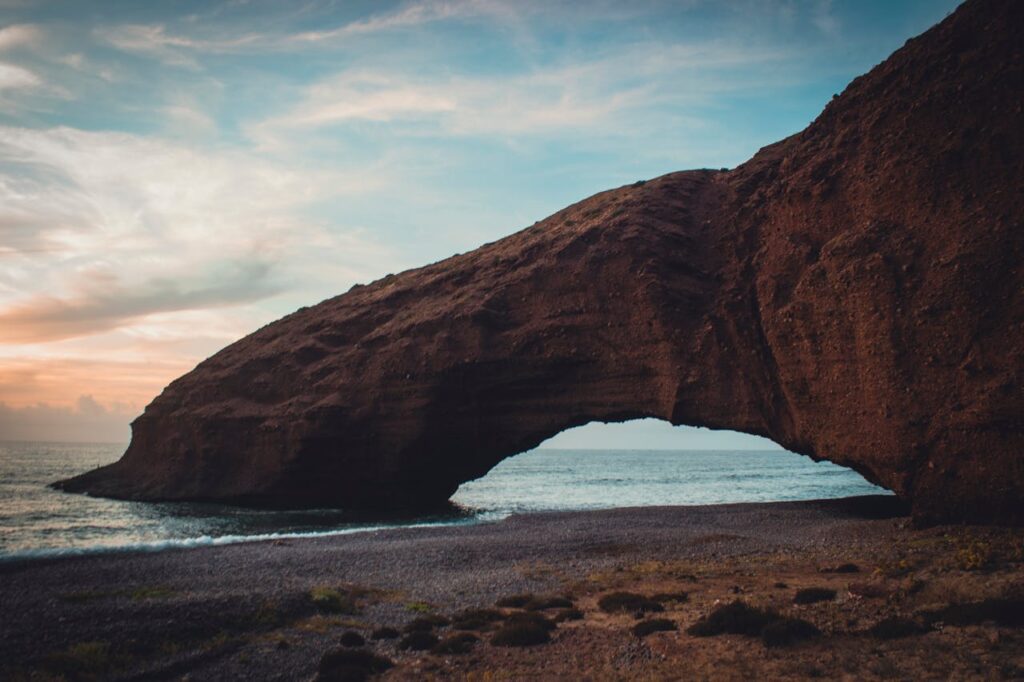
Southern Atlantic Coast: From Agadir to the Sahara
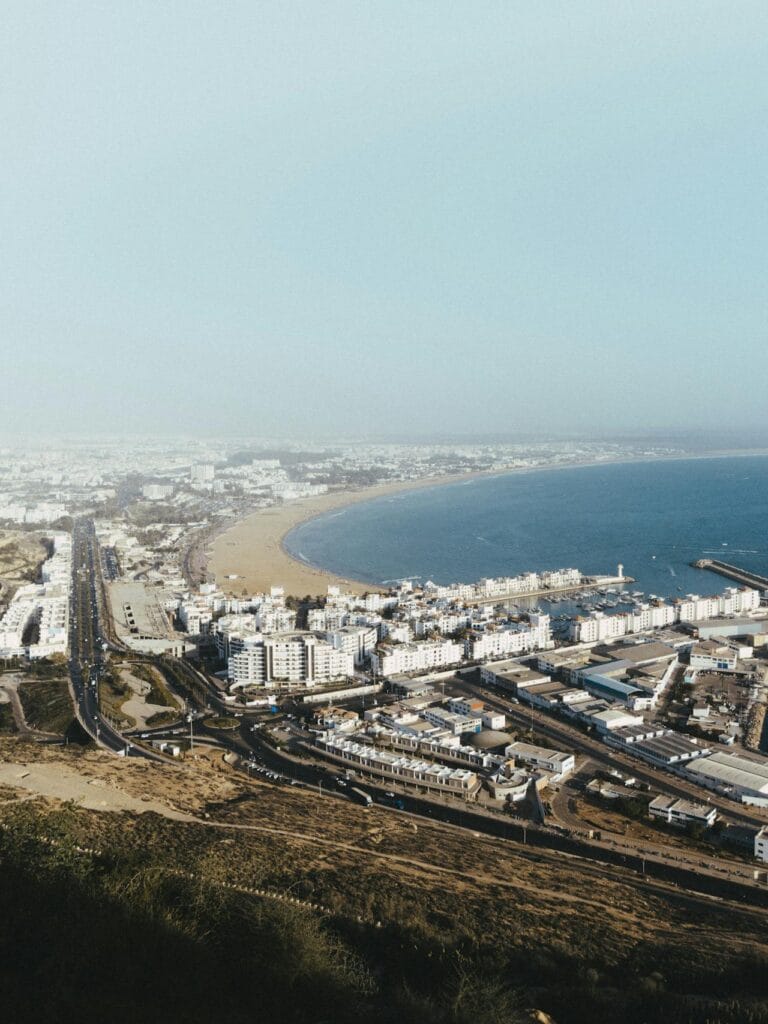
South of Agadir, the coastline becomes more arid and less densely populated. The landscape shifts gradually from coastal plains to desert environments. Despite these dry conditions on land, the Atlantic Ocean remains highly productive due to strong upwelling systems that support marine life.
Sidi Ifni: Colonial Heritage and Coastal Life
Sidi Ifni reflects a period of Spanish colonial presence in the 20th century. Its urban layout shows modernist planning with wide streets and administrative buildings. The city acts as a coastal outpost where maritime activity connects with regional governance. Its architecture blends external influence with local adaptation. The rocky shoreline and strong winds shape daily life and limit large-scale expansion.
Tarfaya: Where Ocean Meets Desert
Further south, Tarfaya marks a clear transition between coastal and desert systems. The environment features flat, open landscapes where the Atlantic Ocean meets arid land. In the past, this area functioned as a relay point linking Saharan trade routes to maritime networks. Its limited development reflects environmental constraints, yet its location highlights the importance of coastal-desert interaction.
Laayoune: Regional Hub of the South
Laayoune serves as a major administrative and economic center in the region. Its planned urban structure reflects modern development strategies. The city connects coastal resources with inland desert areas. Fishing and trade support its economy. Its growth shows how infrastructure can sustain urban life in challenging environments.
Dakhla: Lagoon Ecosystem and Ocean Dynamics
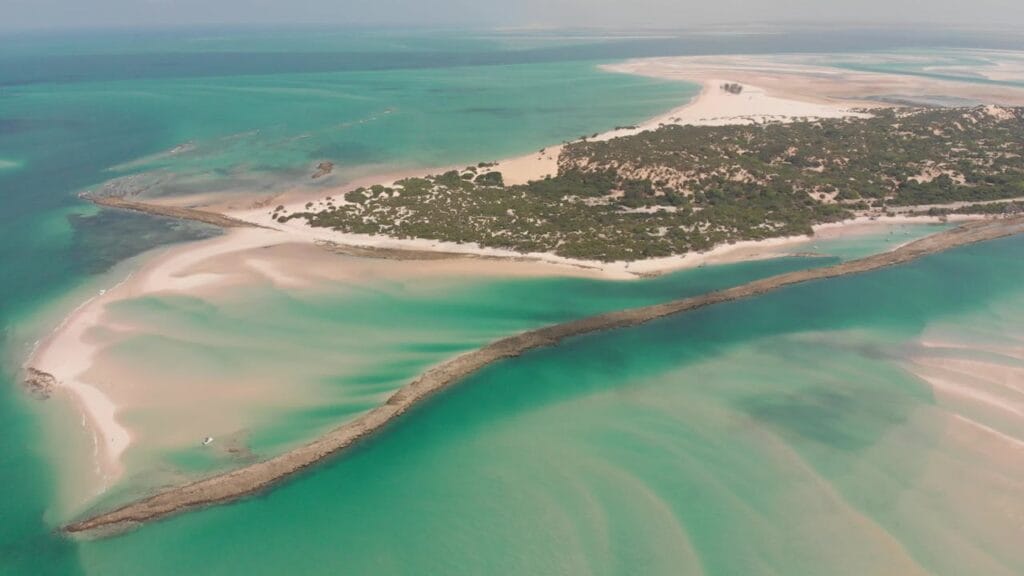
At the southern end of this coastal system, Dakhla presents a unique geographic setting. The city lies on a narrow peninsula that forms a large lagoon. This lagoon creates calm waters protected from ocean waves, while strong Atlantic winds affect the outer coast. These conditions support marine biodiversity and water-based activities. Dakhla plays an important role in fishing and aquaculture. Its landscape clearly illustrates the interaction between desert environments and ocean systems.
Fishing Economies and Coastal Livelihoods
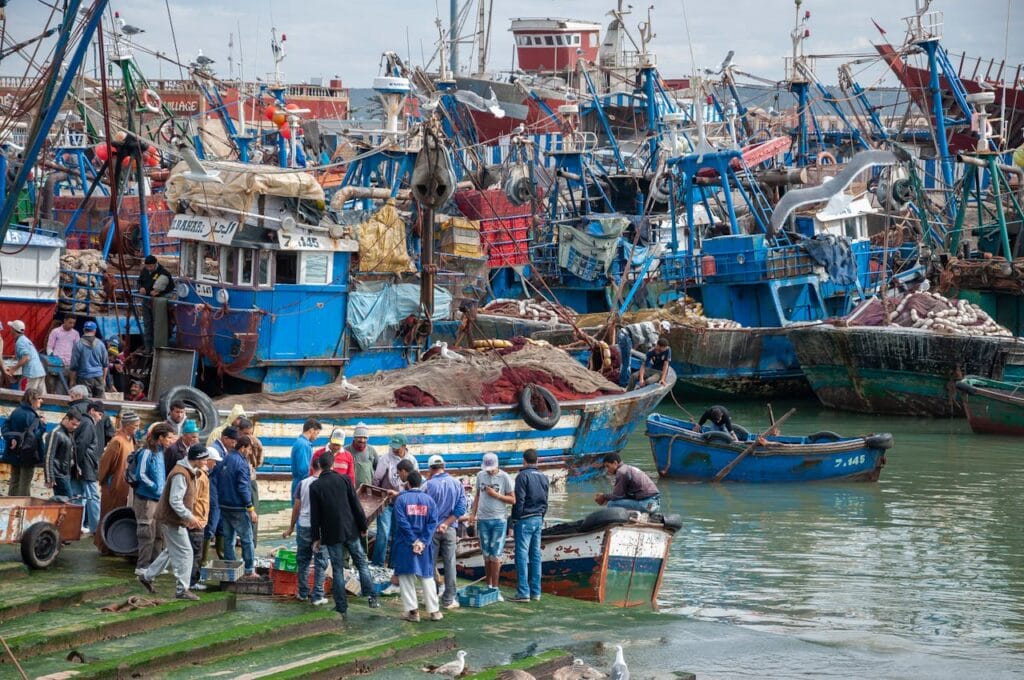
Fishing plays a central role along the Morocco Atlantic coast. The productivity of marine ecosystems supports large fishing industries. Coastal communities organize their activities around seasonal cycles and ocean conditions. Ports serve as centers for processing, storage, and distribution.
Fish species such as sardines, anchovies, and mackerel dominate catches. These resources contribute significantly to the national economy. At the same time, fishing shapes local culture. It influences diet, daily routines, and social organization. The relationship between people and the ocean remains strong across all regions of the coastline.
Cultural Identity and Coastal Diversity
The Morocco Atlantic coast reflects a blend of cultural influences. Amazigh traditions, Arab-Islamic heritage, and European maritime interaction all contribute to its identity. Coastal cities often show greater openness to external influence due to their connection to global networks.
Architecture, language, and food all reflect this diversity. Markets display products from inland and maritime regions. Cultural exchange continues to shape the identity of coastal communities.
Morocco Atlantic Coast: Modern Developments and Environmental Challenges
Modern development has transformed parts of the Morocco Atlantic coast. Infrastructure projects, tourism, and urban expansion have increased economic opportunities. At the same time, these changes create challenges.
Environmental studies point to risks such as:
- overfishing
- coastal erosion
- urban pressure on ecosystems
Sustainable management becomes essential to preserve both natural and cultural resources.
The Morocco Atlantic coast represents a dynamic and complex region shaped by geography, history, and human activity. From the maritime gateway of Tangier to the lagoon systems of Dakhla, the coastline reveals a continuous interaction between land and ocean.
Each city along this coast reflects a specific role. Some function as trade hubs, others as administrative centers, and others as fishing communities. Their characteristics depend on environmental conditions, historical developments, and economic needs.
Understanding the Morocco Atlantic coast provides a broader view of Morocco itself. It highlights the importance of maritime connections, ecological systems, and cultural diversity. This coastline completes the picture of a country shaped not only by deserts and imperial cities but also by the vast and influential Atlantic Ocean.