Have you ever imagined the vibrant markets of North Africa? The air is filled with the scent of cumin, cinnamon, and cilantro. It promises a meal that warms your soul. You can bring that enchanting magic into your kitchen.
Making these authentic moroccan dishes at home is simpler than you think. You don't need to be a pro to cook delicious tagines or couscous. With fresh, quality ingredients, your cooking can take you on a global adventure.
Exploring these traditional moroccan recipes can add to your cooking skills. It also connects you with a rich culture. Whether you're new to cooking or experienced, these flavors are a beautiful way to share love through food. Let's start this journey to create unforgettable meals that bring people together.
Key Takeaways
- Learn to balance aromatic spices for authentic flavor profiles.
- Discover how fresh, simple ingredients create complex, delicious results.
- Master the essential techniques used in North African home kitchens.
- Build confidence in your ability to prepare diverse global cuisines.
- Create memorable dining experiences that celebrate cultural traditions.
The Essence of Moroccan Cuisine in Your Kitchen
Exploring North African cooking opens a world where sweet and savory blend beautifully. This world is built on spices and fresh produce, the base of the traditional Moroccan food so many travelers love. By mastering these basics, you can bring the scents of Marrakech to your kitchen.

Understanding the Flavor Profile of Traditional Moroccan Food
The secret to Moroccan cuisine is in the artful layering of spices. Many common moroccan foods use cinnamon, ginger, and turmeric for depth. This mix gives dishes a unique, comforting yet exotic taste.
The balance between sweet and savory is key. Dried fruits like prunes or apricots pair well with meats. This mix turns simple ingredients into a delightful meal.
Essential Pantry Staples for Authentic Moroccan Recipes
To start cooking Moroccan dishes, stock up on a few key items. High-quality olive oil is the base for most dishes, adding a rich flavor. Don't forget preserved lemons, which add a salty, tangy taste to tagines and salads.
Ras el hanout, a complex spice blend, is a must-have. It contains many spices, ensuring your dishes are authentic and flavorful. With these staples, you can make a variety of traditional meals whenever you want.
Mastering the Art of the Tagine
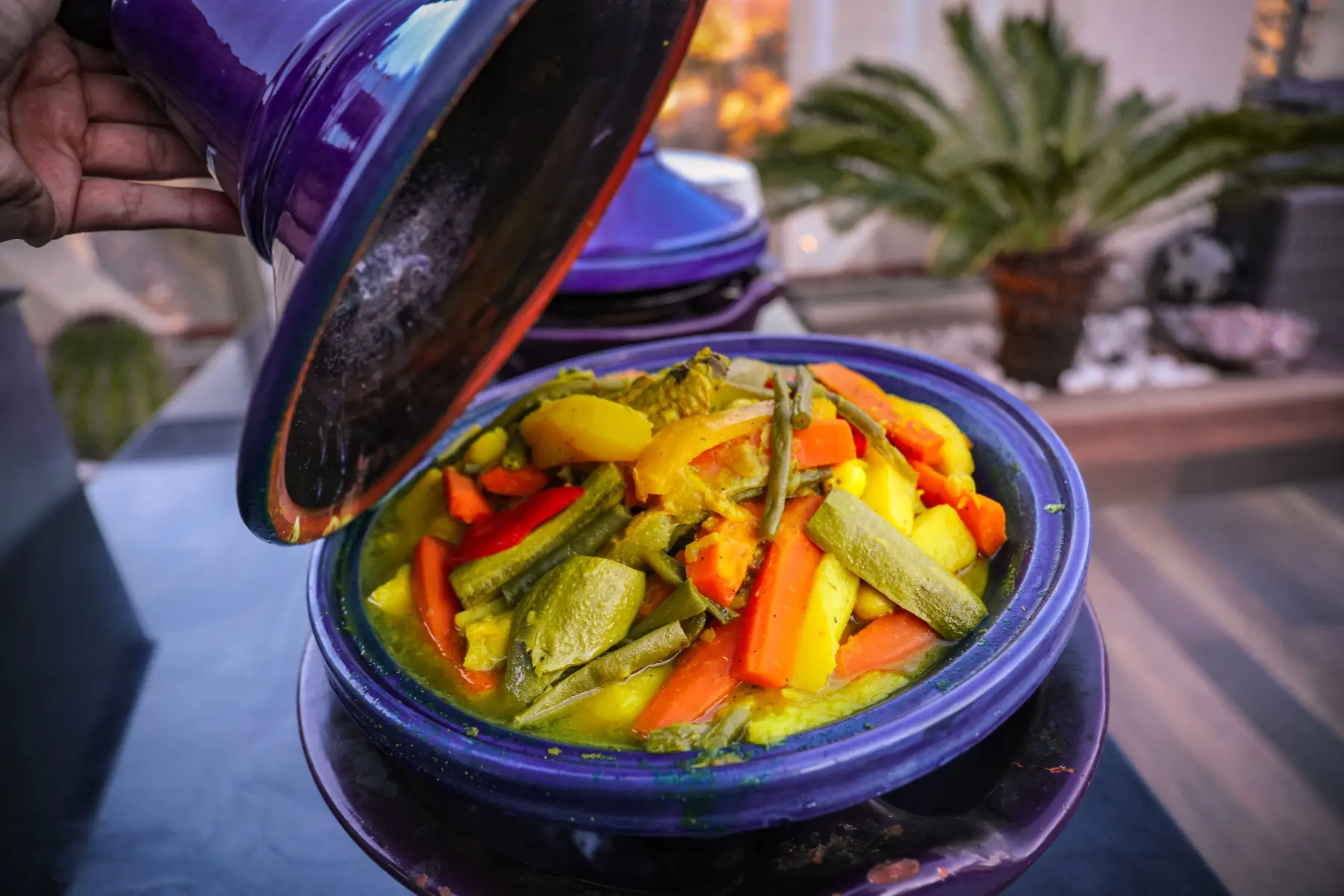
To get the perfect texture in your moroccan food dishes, start with the right pot. The tagine is more than a pot; it's a tool that helps steam and moisture cook meat tenderly. Knowing how it works can bring out deep, complex flavors that are key to Moroccan cooking.
Choosing the Right Tagine Pot for Your Stove
When picking a tagine, think about the material and your stove. Traditional clay pots add an earthy taste but need a heat diffuser on electric or gas stoves to avoid cracking. Enameled cast iron tagines are durable and work well on all stoves.
Choosing the right size matters too. A 10-to-12-inch pot is good for family meals, ensuring everything steams well. Always check if your pot needs seasoning before first use.
| Material Type | Heat Source | Best For | Maintenance |
|---|---|---|---|
| Unglazed Clay | Gas/Oven | Authentic Flavor | Hand wash only |
| Enameled Cast Iron | All Stoves | Durability | Hand wash recommended |
| Ceramic | Electric/Gas | Even Heating | Avoid thermal shock |
Techniques for Slow-Cooking Meat and Vegetables
The secret to success is slow-cooking. Start by layering onions and garlic at the bottom for flavor. Put meat in the middle and veggies around it, so the lid fits tight.
Keep the heat low and steady to avoid burning the bottom. This slow heat is what makes a tagine so tender. Don't lift the lid too often to keep the moisture in and the food juicy.
Iconic Moroccan Dishes You Must Try
Want to dive into the heart of typical Moroccan food? Start with these two classic tagines. They're the stars of many family dinners and celebrations. Learning to make them will help you master the complex flavors of Moroccan dishes.
Preparing a Classic Chicken Tagine with Preserved Lemons
This dish is known for its tangy flavor. It's all about balancing the salty preserved lemons with tender chicken and spices like ginger and saffron.
- Sear the chicken pieces in olive oil until golden brown.
- Add finely chopped onions, garlic, and a generous pinch of saffron threads.
- Simmer slowly with water and the rind of preserved lemons until the meat is tender enough to fall off the bone.
The result is a vibrant, savory sauce that goes great with crusty bread. The citrus notes in the sauce balance the richness of the chicken, making for a perfect meal.
Creating the Perfect Lamb Tagine with Prunes and Almonds
For a richer taste, try the lamb tagine. It's all about the earthy sweetness of dried prunes and tender lamb.
"Moroccan cuisine is a testament to the art of patience, where time and spice transform simple ingredients into a feast for the soul."
To get the best results, follow these steps:
- Brown the lamb shoulder in a heavy-bottomed pot to lock in the juices.
- Slow-cook the meat with cinnamon, ginger, and turmeric until it's tender.
- Add the prunes during the final stage of cooking to plump them up and sweeten the sauce.
- Garnish with toasted almonds for a satisfying crunch that takes this classic to the next level.
Mastering these Moroccan dishes brings the warmth of a traditional kitchen into your home. With practice, you'll learn to adjust the spices to your taste while honoring the heritage of these timeless recipes.
Exploring Moroccan Couscous Traditions
In Moroccan homes, couscous is at the center of the table, traditionally served on Fridays. It's more than a side dish; it's a symbol of community. Learning to make it at home brings a piece of Moroccan culture into your kitchen.
The Proper Way to Steam Couscous at Home
To get couscous right, don't boil it. Use a steamer or a colander over simmering water. This way, the steam cooks each grain evenly, keeping them light and fluffy.
Patience is your best tool when steaming couscous. Fluff the grains with a fork between steaming to ensure even cooking. This makes your couscous the perfect base for stews.
Building a Balanced Vegetable Couscous Platter
After steaming, focus on the presentation. A colorful vegetable platter is key. Arrange carrots, zucchini, chickpeas, and turnips around the couscous.
Drizzle broth over the vegetables for extra flavor. This makes your meal not only healthy but also a feast for the eyes. Your guests will love the effort you put into it.
Savory Pastries and Street Food Favorites
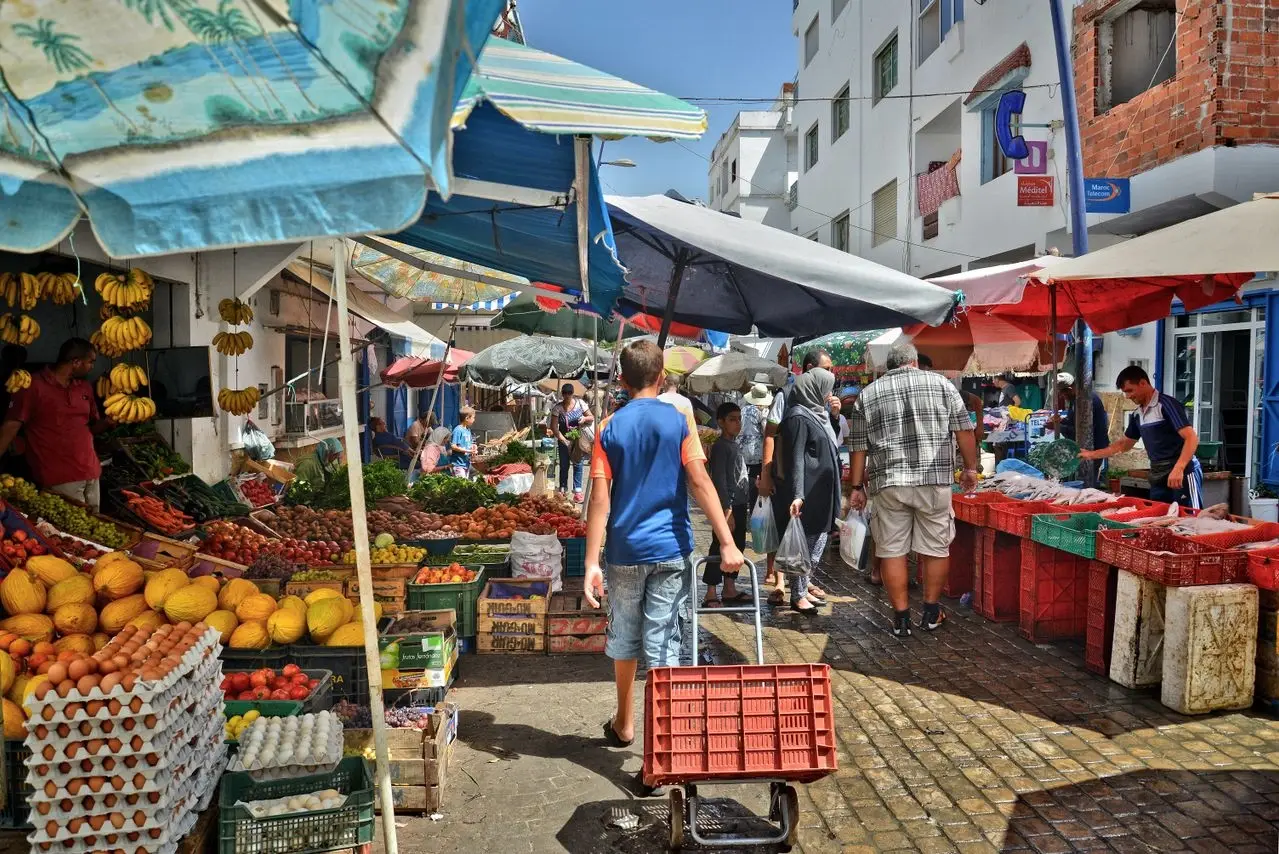
Walking through a bustling Moroccan souk, you'll catch the scent of fresh baked goods and fried treats. These snacks are key to moroccan food dishes, blending texture and spice perfectly. They're great for gatherings or a unique snack at home.
Folding Authentic Moroccan Briouats
Briouats are delightful, triangular pastries loved in many homes. To get that crunch, folding thin sheets of dough is crucial. It takes patience, but the result is a perfectly crispy exterior with a savory center.
Popular fillings for briouats include:
- Spiced Ground Beef: Sautéed with onions, parsley, and spices.
- Creamy Cheese and Herb: Goat cheese or feta with fresh mint.
- Savory Chicken: Shredded chicken with saffron and preserved lemon.
To fold them, cut dough into strips and fill with a spoonful of your choice. Fold in a triangle, tucking edges to seal during frying or baking.
Baking Traditional Moroccan Bread at Home
No meal is complete without warm, crusty bread. In traditional Moroccan food, bread is key for scooping up sauces and dips. Khobz bread is soft inside and golden outside.
To bake like a pro, follow these tips:
- High Heat: Bake at high temperature for a quick rise and crisp crust.
- Steam: Use a pan of water at the oven's bottom for steam, enhancing texture.
- Scoring: Score the dough top with a knife before baking for even expansion.
Freshly baked bread is perfect for your favorite meals. Mastering these baking steps ensures every sauce drop is savored fully.
Refreshing Moroccan Salads and Side Dishes
Refreshing side dishes are key to balancing the rich flavors in moroccan recipes. These salads offer a bright contrast to slow-cooked stews. They are a great way to dive into the rich flavors of traditional Moroccan food.
Preparing Zaalouk: The Classic Eggplant Dip
Zaalouk is a favorite dish known for its smoky, savory taste. To make it, roast or boil eggplant until it's soft. Then, mash it and sauté it with garlic, olive oil, and cumin.
The trick to great zaalouk is slow-cooking it. This blends the flavors, creating a rich, earthy taste. It's a perfect example of how traditional Moroccan food turns simple ingredients into something special.
Making Taktouka: A Vibrant Pepper and Tomato Salad
Taktouka is a zesty salad that cleanses your palate. It's made with roasted bell peppers and tomatoes that become thick and jam-like. It's a favorite in moroccan recipes for its ease and beauty.
To get the best flavor, char the peppers well. Then, peel and chop them. Mix them with tomatoes, parsley, and paprika. This vibrant side dish adds a refreshing touch to any meal, especially grilled meats or tagines.
Sweet Endings and Moroccan Mint Tea
End your meal with Moroccan hospitality's timeless traditions. In this culture, the end of a meal is as important as the main dish. It's a time for connection and relaxation. Learning these moroccan recipes for tea and sweets brings that authentic atmosphere to your home.
Brewing Authentic Moroccan Mint Tea
Making perfect mint tea is all about the ritual. Start with top-notch gunpowder green tea, fresh spearmint, and lots of sugar. The key is patience and precision for that unique flavor.
To serve, pour the tea from high above the glass. This method adds a delicate layer of foam on top, showing it's been brewed right. Here's how to do it best:
- Rinse the tea leaves with boiling water to remove bitterness.
- Add fresh mint leaves and sugar to the pot.
- Steep for several minutes before pouring from a height.
Simple Moroccan Almond Cookies for Beginners
No tea is complete without a sweet treat. These almond cookies are a classic in moroccan recipes. They're nutty, chewy, and go great with mint tea. Plus, they're easy to make, even for beginners.
"Hospitality is the heart of the home, and a shared cup of tea is the universal language of friendship."
— Traditional Moroccan Proverb
With ground almonds, orange blossom water, and a bit of cinnamon, you get a fancy treat easily. These cookies are the sweet finish to your meal. They make sure your guests remember your cooking skills.
Tips for Sourcing Moroccan Ingredients at Home
You don't have to travel far to cook common Moroccan foods. The rise in global food interest has made it easier to find what you need. Now, you can easily stock your pantry with the right ingredients.
It doesn't matter if you live in a big city or a small town. You can find the ingredients for Moroccan dishes easily. A bit of research will show you that local stores or online shops have what you need.
Finding Authentic Spices and Preserved Lemons
Authentic spices are key to any dish. Look for quality ras el hanout or saffron at Middle Eastern or North African grocers. These stores often have fresher products than supermarkets. If you can't find a local shop, many online spice merchants ship to your door.
Preserved lemons are a must for common Moroccan foods. You can buy them in jars at specialty stores or make your own. Making your own ensures your tagines have that special tangy flavor.
Substitutions for Hard-to-Find Moroccan Ingredients
Don't worry if you can't find every item on your list. Many ingredients have great substitutes that keep your dish flavorful. Using these swaps lets you try common Moroccan foods even with a limited pantry.
| Ingredient | Best Substitution | Flavor Impact |
|---|---|---|
| Ras el Hanout | Garam Masala + Cumin | Warm and aromatic |
| Preserved Lemons | Fresh Lemon Zest + Salt | Bright and acidic |
| Saffron | Turmeric + Paprika | Golden color and earthy |
| Harissa Paste | Chili Garlic Sauce | Spicy and bold |
These simple changes make it easy to enjoy common Moroccan foods anywhere. Focus on the right spices and fresh ingredients for delicious results every time.
Conclusion
Your journey into North African cooking has made your kitchen lively. You can now make complex spice blends and slow-cook like a pro. This lets you make authentic meals whenever you want.
Keep practicing to get better. As you become more confident, making Moroccan dishes will feel easy. Try different meats or veggies to make the recipes your own.
And if you would love to taste these dishes where they were born, our private Morocco tours stop in Marrakech and Fes, two of the country’s great food cities. Sharing these meals makes memories with loved ones. A warm tagine or couscous brings everyone together. These dishes honor a rich heritage and should be part of your cooking routine.
Explore new ingredients at local markets and specialty spice shops. Your dedication to learning these traditions keeps Moroccan foods in your kitchen. Enjoy the journey of making these delicious, comforting meals.
FAQ
What are the most common moroccan foods I can easily prepare as a beginner?
Start with Zaalouk, a tasty eggplant and tomato dip. Or try Chicken Tagine, a classic dish. These recipes are easy because they simmer slowly and use fresh ingredients. Using fresh spices and good preserved lemons will give you an authentic taste from the start.
What essential spices do I need to recreate authentic moroccan recipes at home?
You'll need Ras El Hanout, cumin, ginger, turmeric, and cinnamon. Choose a fresh, good-quality Ras El Hanout blend. These spices are key to the rich flavors found in Moroccan dishes.
Do I need a special pot to cook typical moroccan food like a tagine?
A clay or ceramic tagine pot is best for its steam-circulation. But, a heavy Dutch oven works too. For a modern stovetop, a flame-safe enameled or ceramic tagine is a great choice. It cooks meat and veggies to perfection.
How can I achieve the perfect fluffy texture when making Moroccan couscous?
Steam couscous instead of boiling it. Use a couscoussier to cook the grains gently. Rub them with olive oil and water before steaming. This method makes couscous light and fluffy, just like in Moroccan homes.
What are some popular savory snacks or street foods I can bake?
Try making Briouats, triangular phyllo pastries filled with spiced meats or cheese. Also, baking Khobz, the traditional round bread, is a must. This bread is used to scoop up sauces and juices from tagines.
Where can I find authentic ingredients for Moroccan recipes?
Try Middle Eastern or North African grocers and specialty spice shops, or order online. Many large supermarkets now stock harissa and preserved lemons, and preserved lemons are easy to make yourself.
Is Moroccan mint tea difficult to brew traditionally?
No, it's not hard, but it has a special ritual. You'll need green gunpowder tea, fresh spearmint, and sugar. The key is the "long pour" method, which creates a frothy head and enhances the tea's aroma.