Ever dreamed of walking through vibrant spice markets or watching the sunset on the Sahara dunes? Morocco captures the heart of every traveler. But, the key to a memorable trip is choosing a good time to go to Morocco.
Planning ahead is essential for a smooth trip in Morocco. By choosing the best weather and cultural festivals, your visit will be magical. Whether you want the cool Atlas Mountains or Marrakech's energy, timing is everything.
This guide will show you the ideal season for your trip. We'll explore the climate and highlights together. This way, your trip will be truly spectacular.
Key Takeaways
- Spring and autumn are the best times for city and desert explorations.
- Summer is hot, making it better for beach trips.
- Winter is quiet and charming, perfect for mountain visits.
- Traveling during local festivals deepens your cultural experience.
- Early planning helps you avoid crowds and get better deals.
Understanding the Seasonal Climate Patterns in Morocco
To find the best time to visit morocco, you need to know how the mountains, coast, and desert interact. Morocco's climate changes a lot as you move from one place to another. Knowing this helps you prepare for the temperature changes you'll see on your trip.
Geographic Diversity and Its Impact on Weather
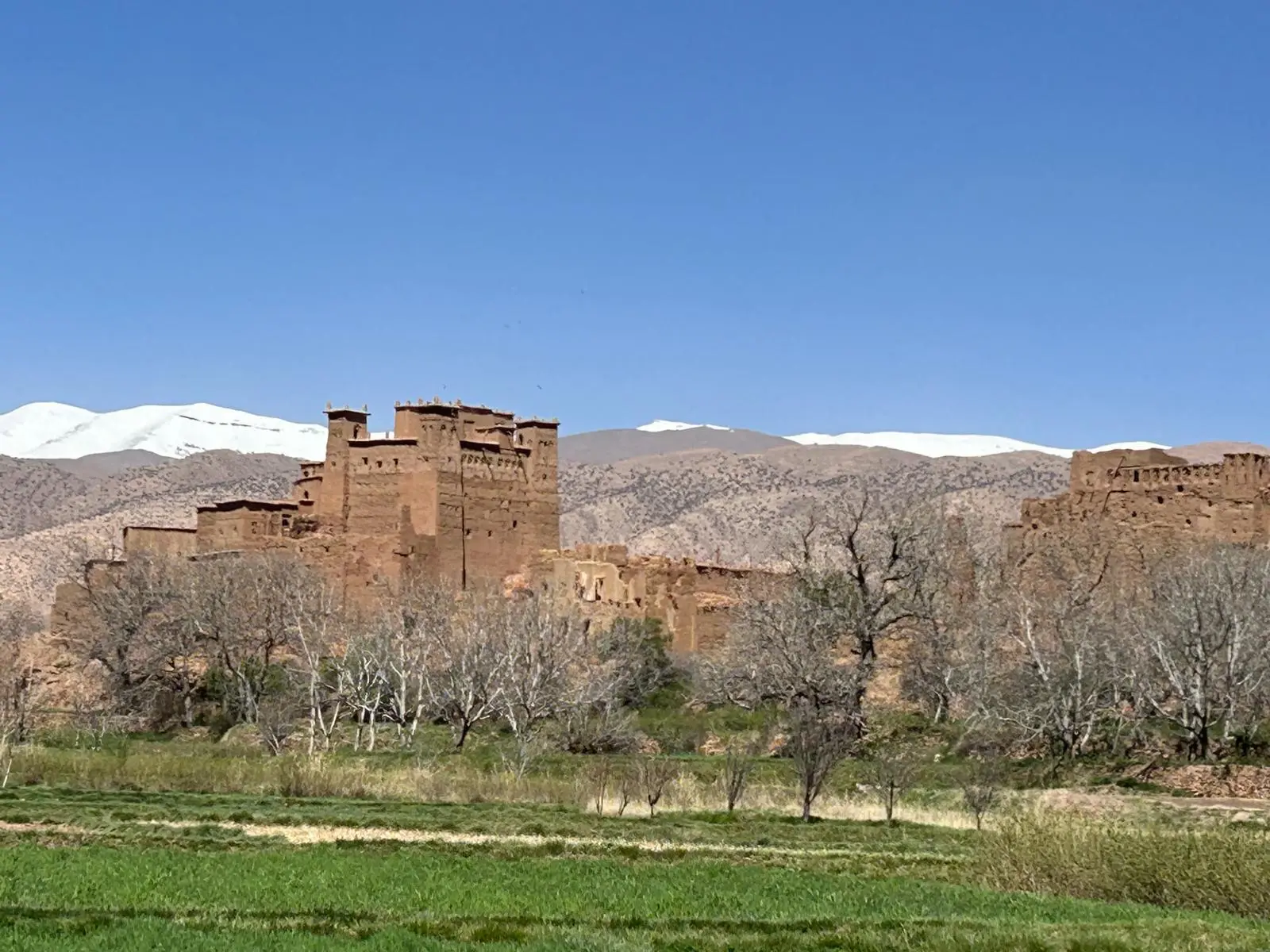
Morocco's dramatic topography acts as a natural barrier to weather. The Atlas Mountains divide the cool, Mediterranean-influenced north from the dry, desert south. This means you might find cool air in the mountains and warm, dry air in the valleys.
Traveling at different altitudes is important. The mountains can get snowy in winter, while the valleys stay milder. Knowing these differences helps you pick the best time to visit morocco for your plans.

The Influence of the Atlantic and the Sahara
The Atlantic Ocean cools the western coast, keeping temperatures moderate all year. The Sahara Desert to the east makes summer very hot. These two forces shape the weather you'll experience.
Traveling between these areas, you'll see big changes in humidity and wind. Coastal cities are breezy and cool, while the desert is hot and dry. Picking the best time to visit morocco means finding a balance between these extremes to stay comfortable.
| Region | Primary Climate | Best Season | Key Feature |
|---|---|---|---|
| Atlantic coast | Mild, ocean-cooled | Year-round | Breezy, rarely too hot |
| Atlas Mountains | Mountain | April to October | Snow on high peaks in winter |
| Sahara Desert | Arid | March–May, Sept–Nov | Very hot summers, cold winter nights |
| Northern cities | Mediterranean | Spring | Green, wetter winters |
Springtime Travel: Why April is a Peak Period
The Moroccan countryside comes alive in spring, painting the landscape with vibrant colors. This season is a prime window for travelers. It's the best time to see the country before summer's heat hits.
Choosing April means your outdoor adventures will be comfortable and fun.
Analyzing the Weather in Morocco in April
The weather in morocco in april is perfect. Days are warm, and nights are cool. This makes it ideal for sightseeing.
It's the best time for hiking in the Atlas Mountains or exploring medinas. You won't get tired from the heat. The weather in morocco in april is reliable, making it great for planning trips.
Cultural Festivals and Blooming Landscapes
Spring brings the landscape to life with greenery and wildflowers. Photographers love this time to capture the stunning natural beauty of Morocco.
Spring and early summer also bring some of Morocco’s best-known festivals, such as the Fes Festival of World Sacred Music and the Gnaoua World Music Festival in Essaouira. Dates change every year, so check them before you book.
The Appeal of Autumn: Morocco Weather in September and October
As summer's heat fades, Morocco welcomes a season of mild temperatures and clear skies. This time is a refreshing reprieve for those who prefer cooler conditions. The landscape settles into a rhythm perfect for relaxation and adventure.
Transitioning from Summer Heat to Mild Temperatures
The climate shift is clear as August's long, hot days end. The heat waves that grip the interior start to fade. Expect consistent cooling in the evenings, making outdoor activities more enjoyable.
Why Morocco Weather in September Attracts Outdoor Enthusiasts
Morocco weather in September is ideal for exploring the Atlas Mountains, and it is a great month for our treks. With lower humidity, hiking becomes easier and more comfortable. September is the sweet spot for trekking, with dry trails and clear skies.
The Unique Charm of Morocco Weather in October
Morocco weather in October offers a perfect balance of warmth and coolness. Coastal cities are great for beach activities, while the interior cools down. Knowing the weather in morocco in october helps plan your trip.
Many find the mild climate perfect for flexible itineraries. Whether exploring Marrakech's souks or relaxing by the Atlantic, the weather is welcoming.
| Region | September | October | Best Activity |
|---|---|---|---|
| Coastal (Essaouira) | Warm and breezy | Mild and breezy | Surfing |
| Interior (Marrakech) | Hot days, easing | Warm days, cool nights | Sightseeing |
| Mountain (Atlas) | Mild days, cool nights | Cool, crisp air | Hiking |
Traveling in this window means avoiding summer crowds and enjoying sunshine. October is a highlight for those who value comfort. Remember, the weather in morocco in october changes with elevation, so pack layers.
Navigating the Peak Summer and Winter Extremes
When you're facing the desert sun or the snowy Atlas Mountains, preparation is key. Morocco's weather can change a lot, even for experienced travelers. Knowing these changes helps keep your trip safe and comfortable all year.
Managing High Temperatures in the Desert and Cities
In summer, Marrakech and the Sahara can get over 100°F (38°C). It's important to take care of your health by going out early or late. Always carry a water bottle to stay hydrated.
In busy city centers, look for riads or cafes with thick walls and shaded areas. These spots offer a cool break from the heat. Wear light, breathable clothes like linen or cotton to stay cool while respecting local customs.
Winter Travel Considerations for the Atlas Mountains
Winter in the Atlas Mountains means cold temperatures and snow. Even though the lowlands stay mild, the mountains get very cold. Bring thermal clothes, a windbreaker, and waterproof boots to stay warm.
Check the roads before you go because ice or snow can make them slippery. Hiring a local guide who knows the area and weather is a good idea; our Toubkal trek includes a professional mountain guide. Staying safe lets you enjoy the beautiful views without worry.
Identifying the Good Time to Go to Morocco Based on Your Interests
Finding the good time to go to Morocco is easier when you match your travel dates to your favorite activities. This way, your journey is both comfortable and memorable. Whether you seek adventure or quiet relaxation, the right timing is key.
Best Seasons for Coastal Surfing and Beach Relaxation
If you love water sports, Morocco's Atlantic coast is perfect. The best time to visit Morocco for surfing is September to April. This is when the swells are most consistent. The Atlantic stays cool, so bring or rent a wetsuit.
For sunbathing and beach relaxation, summer is ideal. The coastal breeze keeps the heat down. You can enjoy the sandy shores of Essaouira or Agadir.
Optimal Timing for Desert Expeditions and Camel Treks
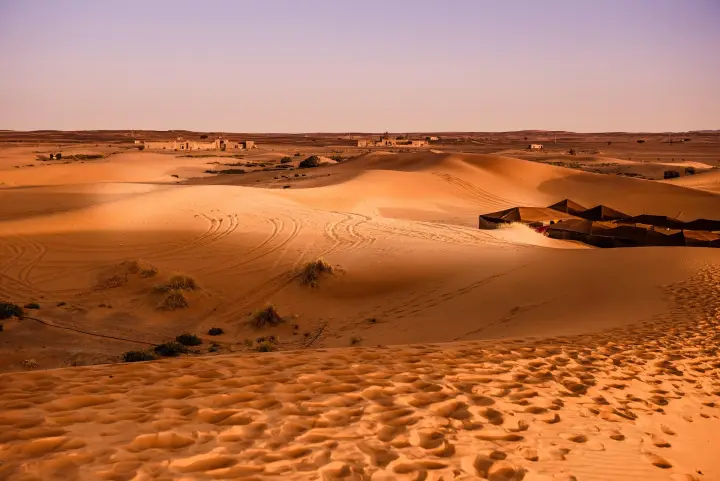
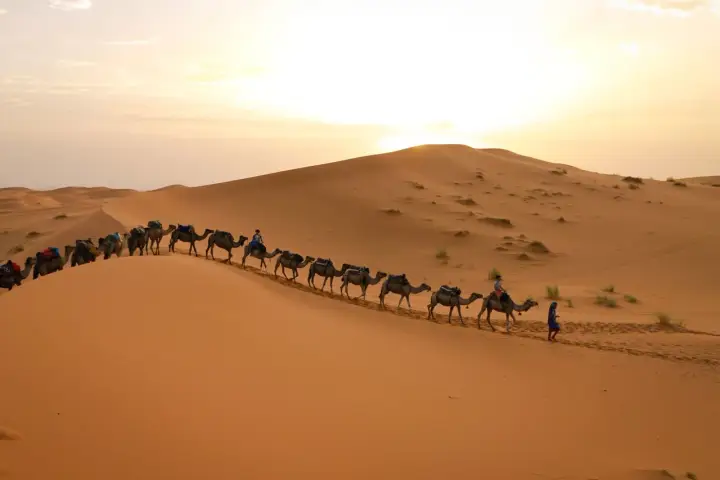
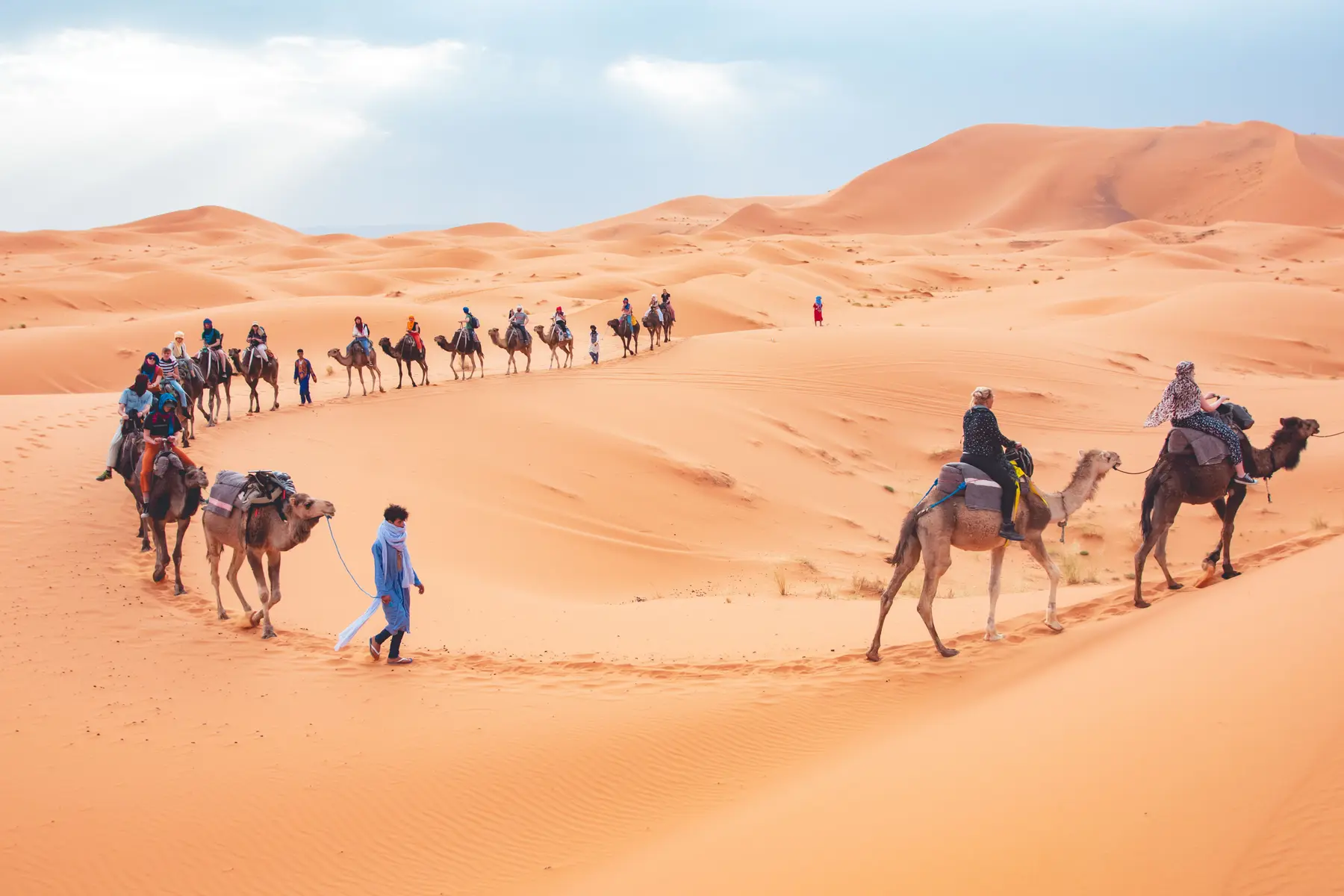
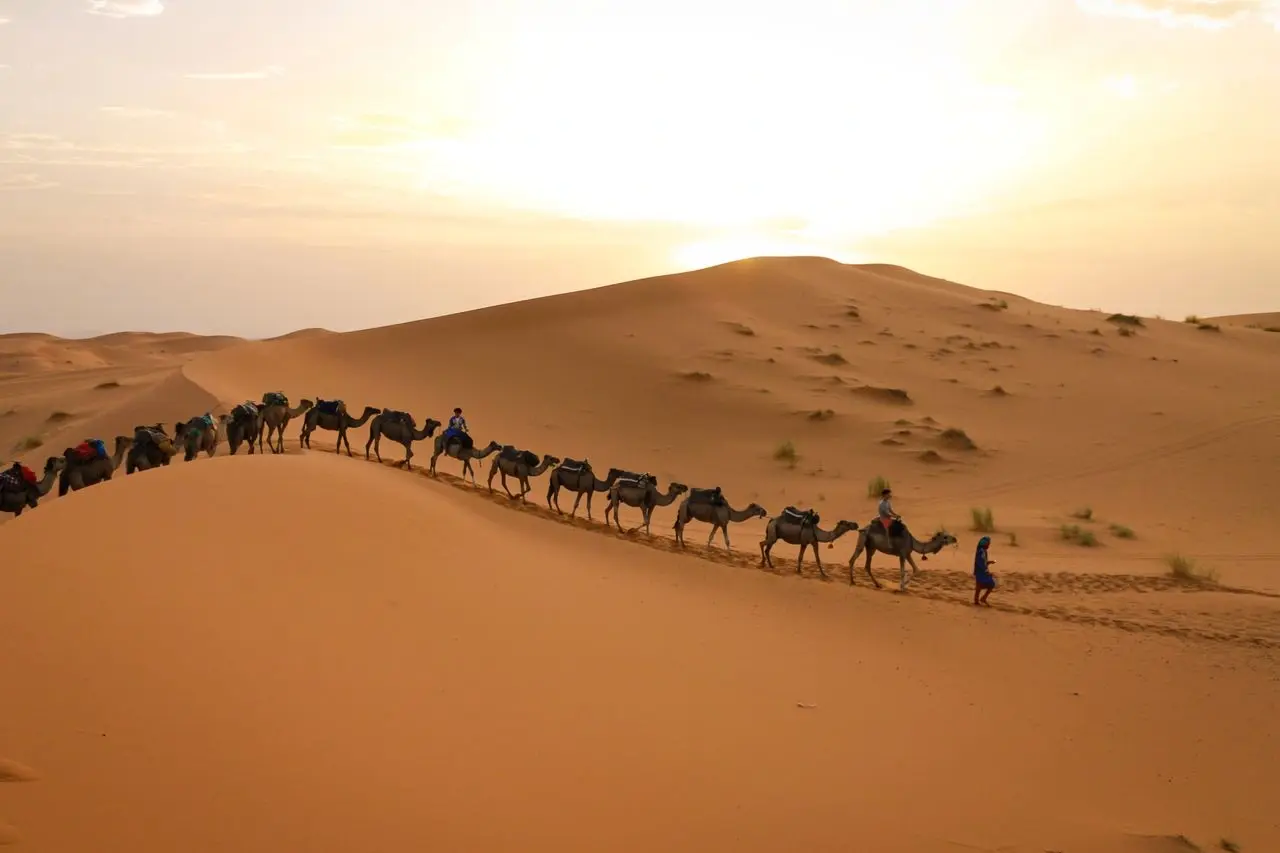
Exploring the Sahara is a highlight for many. But, the desert climate needs careful planning. The best time to visit Morocco for camel treks in the Sahara is spring (March to May) or autumn (September to November). These months have mild temperatures for long treks.
Avoiding the peak summer heat is crucial for safety and comfort. Choosing the shoulder seasons helps you avoid the intense sun. Embracing the cooler desert nights under a clear sky is a unique experience.
Scheduling Your Trip Around Major Cultural Events
Morocco has vibrant festivals that showcase its rich heritage. If you want to dive into local traditions, check the calendar for events like the Gnaoua World Music Festival or the Fes Festival of World Sacred Music. Visiting during these festivals is a good time to go to Morocco if you enjoy music, art, and community gatherings.
Keep in mind that these events attract large crowds. So, book your accommodation well in advance. Researching the specific dates for these cultural highlights helps plan a trip that is both culturally enriching and logistically smooth. Connecting with the local culture through these festivals provides a deeper understanding of the Moroccan spirit.
Logistical Advantages of Traveling During Shoulder Seasons
Traveling to Morocco during the shoulder months lets you see its true side. These times, between summer and winter, are perfect for your trip. You'll find comfort and convenience in these periods.
Crowd Management at Popular Tourist Landmarks
Shoulder season travel means fewer crowds at famous spots. Places like Chefchaouen’s blue streets and Marrakech’s souks are easier to explore. You can enjoy them at your own pace.
This time offers a more intimate experience. You can take photos without many people in them. Plus, you'll face shorter waits for tours and transport. Here are the main perks of avoiding crowds:
- Easier access to historical sites and museums.
- More meaningful interactions with locals.
- Less stress in narrow alleys.
- More chances to book top restaurants.
Budgeting Benefits for Off-Peak and Shoulder Season Flights
Traveling during these times is also a smart financial move. Airlines and hotels offer discounts to attract visitors. You can find great deals on flights and riads.
Shifting your travel dates can save you money. You can use the extra cash for better experiences. Here's how costs can differ:
| Expense Category | Peak Season | Shoulder Season |
|---|---|---|
| International Flights | High | Moderate/Low |
| Accommodation | Premium | Discounted |
| Guided Tours | Fixed/High | Negotiable |
Choosing shoulder season travel makes your trip better. You'll save money and enjoy a relaxed atmosphere. Your Moroccan adventure will be all about discovery, not waiting in lines.
Essential Packing Tips for Varying Moroccan Climates
Packing for Morocco's changing weather is key to a great trip. The weather can go from hot desert to cool mountains in a day. Preparation is the cornerstone of a stress-free journey.
Layering Strategies for Rapid Temperature Shifts
Using a strategic layering system is the best way to deal with Morocco's changing weather. Begin with light, breathable base layers for hot days. Always carry a light jacket or fleece for cooler evenings, especially in the Sahara or Atlas Mountains.
Here are some must-haves for your trip:
- A versatile, lightweight scarf for sun protection or warmth.
- Sturdy, broken-in walking shoes for uneven medina streets.
- A compact, windproof outer shell for mountain excursions.
- Sunglasses and a wide-brimmed hat to combat high UV exposure.
"The traveler who packs light and smart is the one who truly experiences the destination without the burden of unnecessary gear."
Respecting Local Customs Through Appropriate Attire
Your clothes also show respect for local traditions. Morocco values modest dress, especially in rural areas and at religious sites. Opting for loose-fitting, breathable fabrics keeps you cool and respectful.
Remember these tips for your outfits:
- Cover your shoulders and knees when exploring traditional markets or rural areas.
- Choose long skirts, linen trousers, or capri pants to stay cool and respectful.
- Keep a light shawl or pashmina in your day bag to cover up quickly when entering mosques or conservative neighborhoods.
By focusing on modesty and comfort, you'll connect better with locals. Proper preparation lets you enjoy Morocco's culture without worrying about what to wear.
Getting Around Morocco Today
Recent changes in infrastructure and policy are changing how visitors see Morocco. The country is becoming more popular, and local authorities are focusing on seamless connectivity and responsible travel. These efforts make your trip comfortable and connected to the local culture.
New Infrastructure and Accessibility Improvements
Traveling around Morocco is now easier thanks to new transportation networks. The Al Boraq high-speed rail connects key northern cities quickly. This means you can explore more places in less time, making your trip more flexible.
But it's not just about trains. Road improvements have made remote areas accessible to travelers. These changes include:
- Enhanced highway connectivity between coastal cities and the Atlas Mountains.
- Improved signage and road quality for those opting for self-drive adventures.
- Modernized airport facilities that streamline arrival and departure processes for international guests.
Sustainable Tourism Initiatives for Modern Travelers
There's a big push for sustainable tourism to protect Morocco's natural and cultural heritage. Many operators now focus on low-impact travel that helps local communities. By choosing these options, you help preserve the places you visit.
Eco-friendly lodging is becoming the norm. These places often have:
- Solar-powered energy systems to reduce carbon footprints.
- Partnerships with local artisans to promote traditional crafts and fair wages.
- Water conservation programs designed to protect precious desert resources.
Supporting these initiatives lets you travel with a clear conscience. Whether you're staying in a boutique riad or exploring the Sahara, your visit helps the Moroccan tourism industry thrive.
Conclusion
Choosing the right time for your trip to Morocco is key. It's all about finding the perfect balance between the weather and what you want to do. Now, you have the tools to make that choice.
Your trip will be shaped by the time you pick. Whether it's the lively spring or the peaceful shoulder seasons, it will make a difference. Your experience will be unique because of it.
Look at your calendar and find the best time for you. Booking your flights and places to stay early will make your trip smoother. This way, you'll dive right into the heart of North Africa.
From the Sahara to the Atlantic coast, Morocco has so much to offer. You're ready to see, hear, and taste all it has. This diverse country is waiting for you.
Begin planning now: tell us your dates and we will match the season to the right route. Your Moroccan adventure will give you memories that will last forever.
FAQ
What is the overall best time to visit morocco for ideal weather?
The best time to visit Morocco is in spring (mid-March to May) or autumn (September to October). You'll enjoy warm days and cool nights. This makes it great for city adventures and exploring nature without extreme weather.
What can I expect regarding the weather in morocco in april?
April in Morocco brings lush landscapes and comfortable temperatures. The countryside is green, perfect for hiking or photography. It's a popular time to travel because the weather is mild.
Is September a good month for hiking in Morocco?
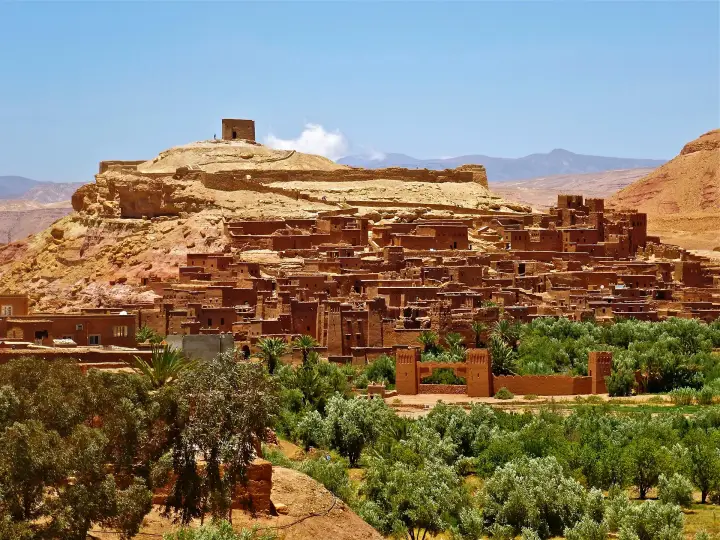
Yes, September in Morocco is great for outdoor activities. The heat from August fades, making it easier for hiking or exploring. The air is clear, and temperatures are stable, ideal for trekking or exploring Ouarzazate.
Why travel to Morocco in October?
Traveling in October offers a cooler, more relaxed Morocco. Coastal areas are still warm, while cities like Fez and Meknes are cooler. It's perfect for those who like a mix of sun and breeze.
What are the specific advantages of the weather in morocco in october for desert travel?
October is great for Sahara desert trips. Daytime temperatures are warm, and nights are cool but not cold. This makes desert adventures like camel treks more comfortable.
When is the good time to go to morocco to avoid large tourist crowds?
To avoid crowds, visit Morocco in early June or November. Winter, except for Christmas and New Year, is also quiet. But, be prepared for colder temperatures in the north and mountains.
How does the geography of the Atlas Mountains affect my travel planning?
The Atlas Mountains divide the weather. Coastal areas are humid and mild, while the Sahara side is dry. Plan your route with care, especially for winter snows and summer sun.
What should I pack to handle the rapid temperature shifts in the Moroccan climate?
Use a layering strategy for Morocco's varied weather. Pack light clothes for day and a jacket for night. Always carry a scarf for sun protection and local customs.
Are there any specific logistical benefits to flying into Morocco during the off-peak season?
Off-peak travel saves money. You'll find cheaper flights and lower hotel rates. This means luxury for less during the low season.