

- Overview
- Trip Outline
- Trip Includes
- Trip Excludes
- Gallery
- Reviews
- Booking
- FAQ
Itineraries
Day 1
Arrival In Casablanca
Arrival at Casablanca Mohammed V International Airport or transfer from Marrakech.
Meet your local team and driver, then transfer to your hotel.
Casablanca is Morocco’s largest city and economic capital, blending modern life with traditional Moroccan identity.
Dinner at leisure and overnight stay in Casablanca.
Day 2
Day 2 – Casablanca → Rabat (Imperial Capital) Stop: Hassan II Mosque – Casablanca
Built between 1986 and 1993, the Hassan II Mosque is one of the largest mosques in the world.
- Architecture: Moroccan-Andalusian
- Materials: hand-carved stone, cedar wood, marble, zellige tiles
- Techniques: traditional Moroccan craftsmanship, wood carving, plaster sculpting
Its minaret rises 210 meters above the Atlantic Ocean, symbolizing Morocco’s spiritual and cultural heritage.
After the visit, continue north to Rabat, Morocco’s current capital.
Day 3
Explore Rabat – Imperial City & Cultural Crossroads
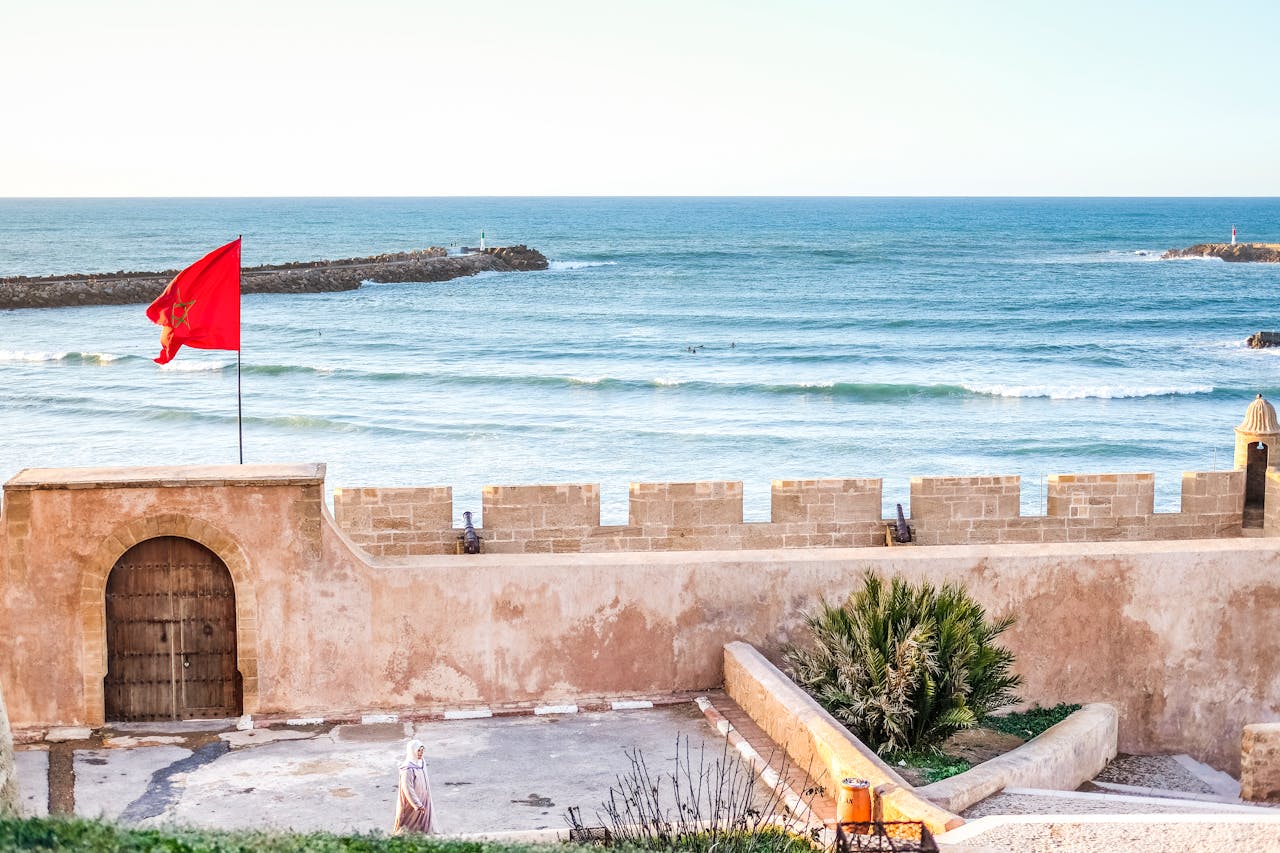
Kasbah of the Oudayas
Founded in the 12th century during the Almohad dynasty.
- Architecture: Berber-Moroccan military style
- Materials: stone, lime, wood
- Techniques: defensive walls, narrow alleys
A peaceful fortress overlooking the Bou Regreg River and the Atlantic, famous for its white-and-blue houses.
Chellah Necropolis
Established in 1339 by the Marinid dynasty on Roman ruins.
- Architecture: Marinid-Berber
- Materials: stone, plaster
- Techniques: arches, geometric decoration
Once a spiritual and political site, today it is a poetic ruin surrounded by gardens and storks.
Rabat Medina
Dating back to the 17th century, shaped by Andalusian refugees.
- Architecture: Moroccan-Andalusian
- Materials: stone, wood
- Techniques: traditional souks and courtyard houses
A living medina full of local life and crafts.
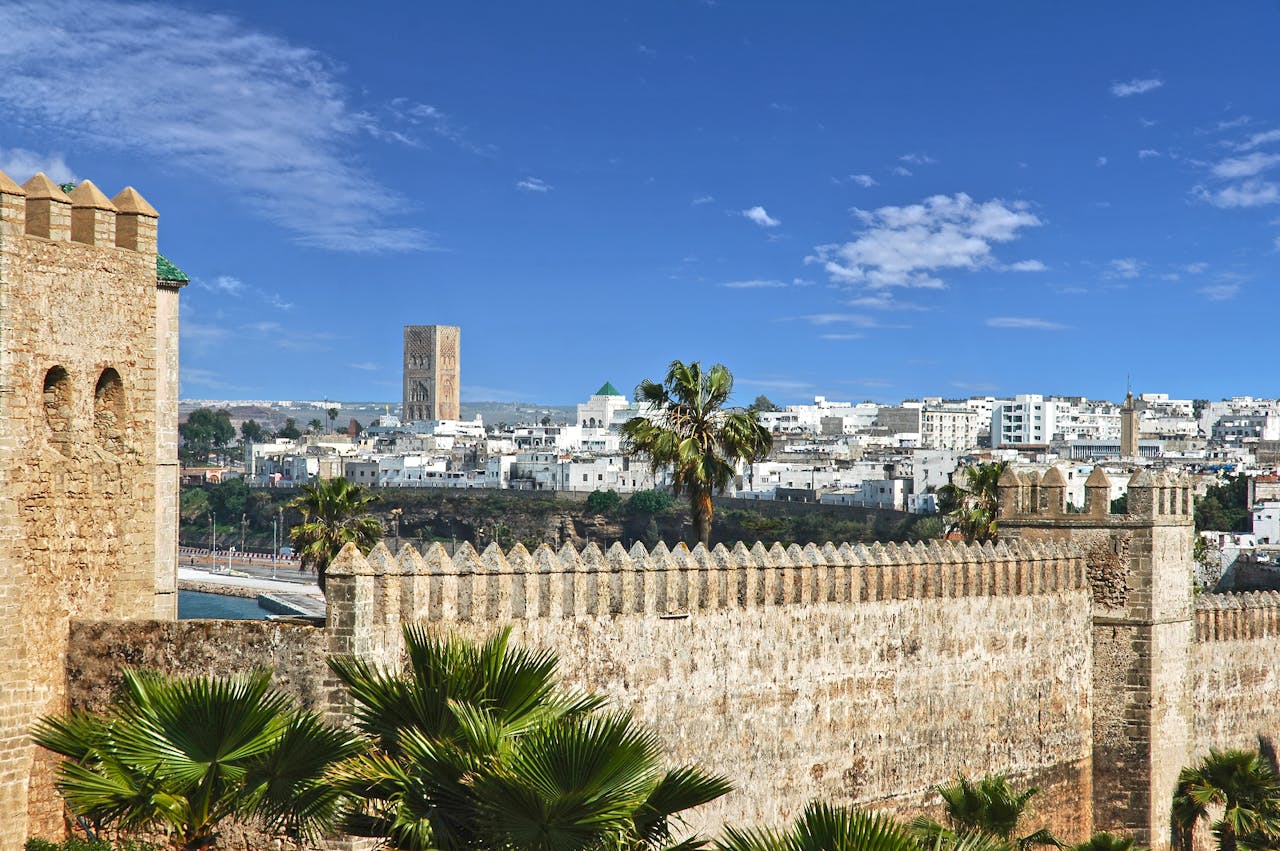
Hassan Tower
Built in 1195 by Sultan Yacoub Al Mansour.
- Architecture: Almohad-Berber
- Materials: red sandstone
- Technique: monumental symmetry
An unfinished minaret intended to be the largest mosque of its time.
Royal Mausoleum (Mohammed V Mausoleum)
Completed in 1971.
- Architecture: traditional Moroccan royal style
- Materials: white marble, green tiled roof, cedar wood
- Techniques: zellige, carved plaster
Final resting place of King Mohammed V and his sons.
Evening in Bou Regreg
Dinner along the Bou Regreg River, enjoying calm views between Rabat and Salé.
Overnight stay in a traditional riad in Rabat.
Day 3
Rabat → Tangier
Drive north along the Atlantic coast to Tangier, the gateway between Africa and Europe.
Cap Spartel
Where the Atlantic Ocean meets the Mediterranean Sea.
A natural landmark known since ancient times, offering panoramic ocean views and lighthouse scenery.
American Legation Museum
Established in 1821, the first American diplomatic property outside the USA.
- Architecture: Moroccan-Andalusian
- Materials: stone, wood
- Techniques: courtyard design
Symbol of historic Moroccan-American relations.
Tangier Medina
An ancient medina shaped by Phoenician, Berber, and Moroccan influences.
- Architecture: traditional Moroccan
- Materials: stone, lime, wood
- Techniques: winding alleys and coastal fortifications
A city of writers, artists, and cultural exchange.
Dinner in Tangier and overnight stay.
Day 4
Tangier → Tetouan (Mediterranean Route)
Drive along the Mediterranean coast, enjoying sea views and mountain landscapes.
Tetouan Medina (UNESCO World Heritage Site)
Founded in the 15th century, rebuilt by Andalusian refugees.
- Architecture: Moroccan-Andalusian-Berber
- Materials: stone, lime, wood
- Techniques: refined craftsmanship, whitewashed streets
One of Morocco’s most authentic and least altered medinas.
Tetouan Mellah (Jewish Quarter)
Dating to the 19th century, reflecting coexistence of cultures.
- Architecture: Moroccan urban style
- Materials: stone and wood
- Techniques: communal courtyards and neighborhood planning
Dinner and overnight stay in Tetouan.
Day 5
Tetouan → Chefchaouen (The Blue Mountain Town)
After breakfast, drive through the Rif Mountains toward Chefchaouen, enjoying green hills, terraced fields, and quiet mountain villages.
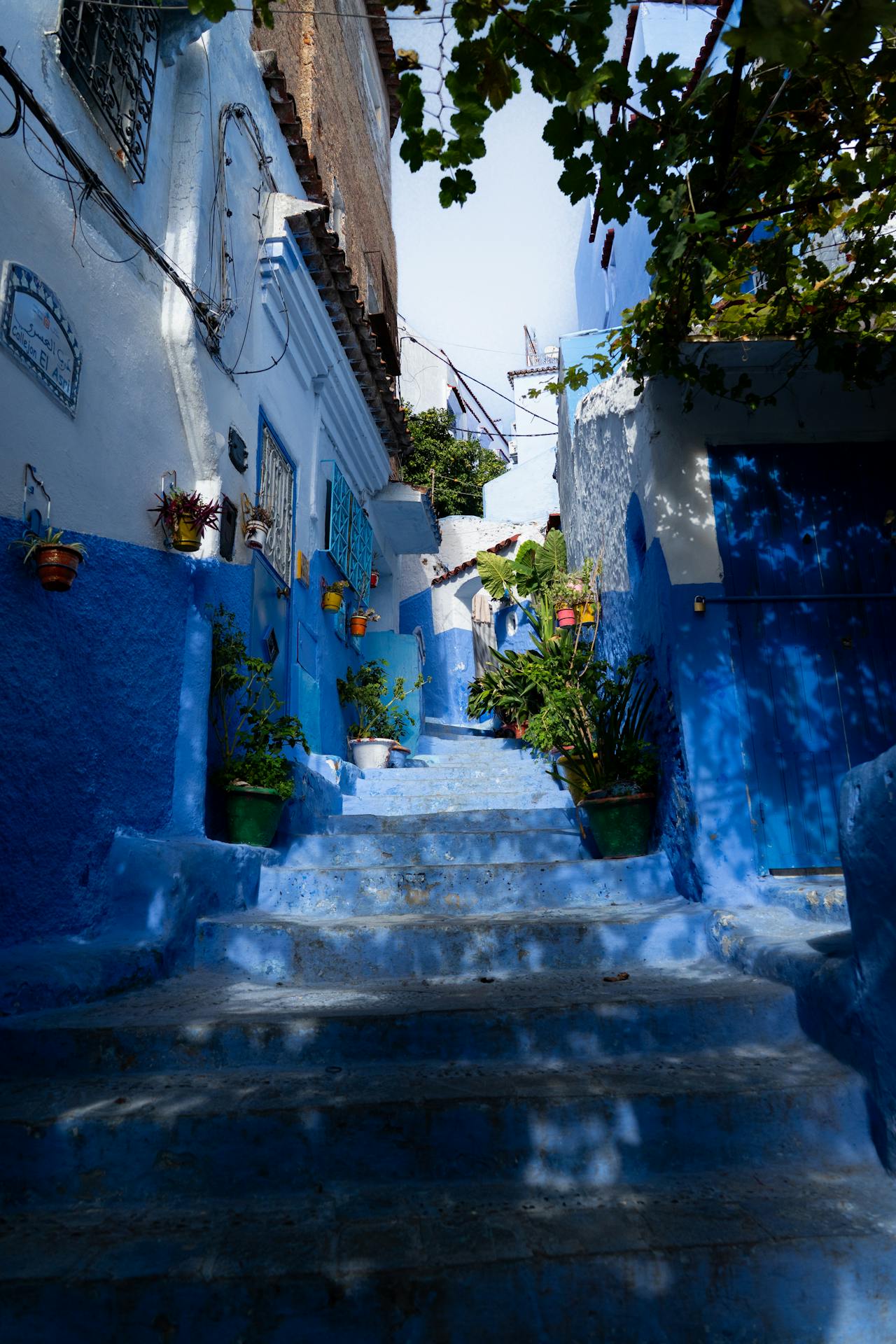
Chefchaouen Medina
Founded in 1471 by Moulay Ali Ben Moussa.
- Architecture: Berber-Moroccan mountain style
- Materials: stone, lime, wood
- Techniques: compact houses, narrow alleys adapted to slopes
Known for its blue-washed walls, the medina reflects Andalusian and Berber influences and a peaceful mountain lifestyle.
Kasbah of Chefchaouen
Built in the 15th century.
- Architecture: Berber-Moroccan fortress
- Materials: stone and wood
- Techniques: defensive towers and inner courtyard
Once used for protection against invasions, now a cultural landmark.
Ras El Maa Spring
A natural water source at the edge of the medina, traditionally used for washing and milling grain.
A lively place where local life and nature meet.
Evening at leisure.
Dinner and overnight stay in a riad in Chefchaouen.
Day 6
Chefchaouen → Volubilis Moulay Idriss Zerhoun → Meknes → Fes
Volubilis (UNESCO World Heritage Site)
Founded in the 3rd century BCE, flourished during Roman rule (1st–3rd century CE).
- Architecture: Roman with local North African adaptations
- Materials: stone, marble
- Techniques: mosaics, arches, urban planning
Once a major administrative center, famous for its well-preserved mosaics and temples.
Moulay Idriss Zerhoun
Founded in 789 CE by Idris I, founder of the first Moroccan Islamic state.
- Architecture: Berber-Moroccan religious town
- Materials: stone, lime
- Techniques: organic hilltop construction
One of Morocco’s most sacred towns and a pilgrimage site.
Meknes – Imperial City
Capital under Sultan Moulay Ismail in the 17th century.
Lunch in Meknes.
Bab Mansour Gate (1732)
- Architecture: Moroccan monumental style
- Materials: stone, marble, zellige
- Techniques: symmetrical design, ceramic decoration
One of the most impressive gates in Morocco.
Continue to Fes, arrival late afternoon.
Check into riad in the medina, time to rest or wander nearby alleys.
Dinner and overnight stay in Fes.
Day 7
Fes Guided Cultural Exploration
Fes Guided Cultural Exploration
City of Fes
Founded in 789 CE by Idris I and expanded in 808 CE by Idris II.
Considered Morocco’s spiritual and intellectual capital.
Al Quaraouiyine University
Founded in 859 CE.
- Architecture: Berber-Moroccan-Andalusian
- Materials: stone, cedar wood, zellige
- Techniques: courtyard planning, carved plaster
Recognized as the oldest continuously operating university in the world.
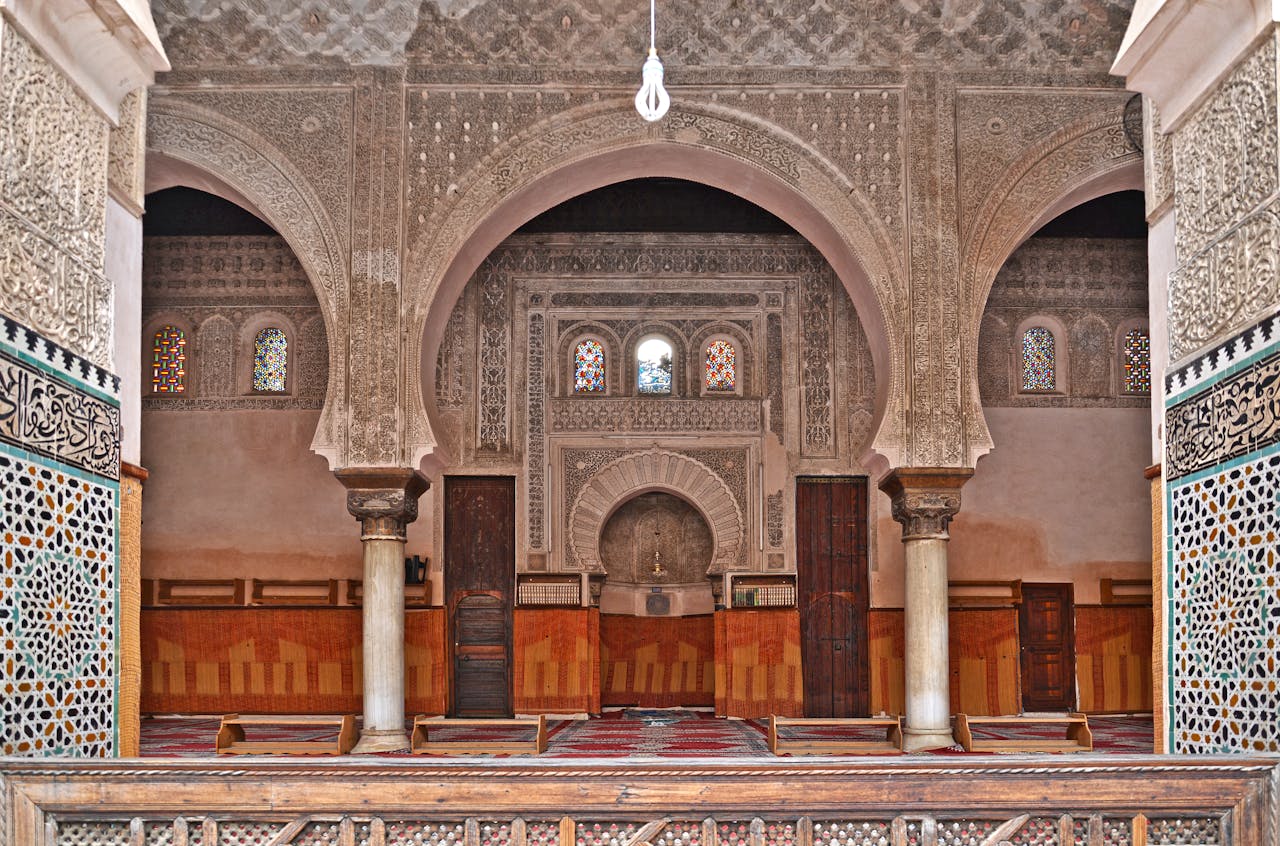
Bou Inania Madrassa
Built between 1351–1356 (Marinid dynasty).
- Architecture: Marinid-Berber
- Materials: cedar wood, plaster, marble
- Techniques: detailed wood carving and zellige mosaics
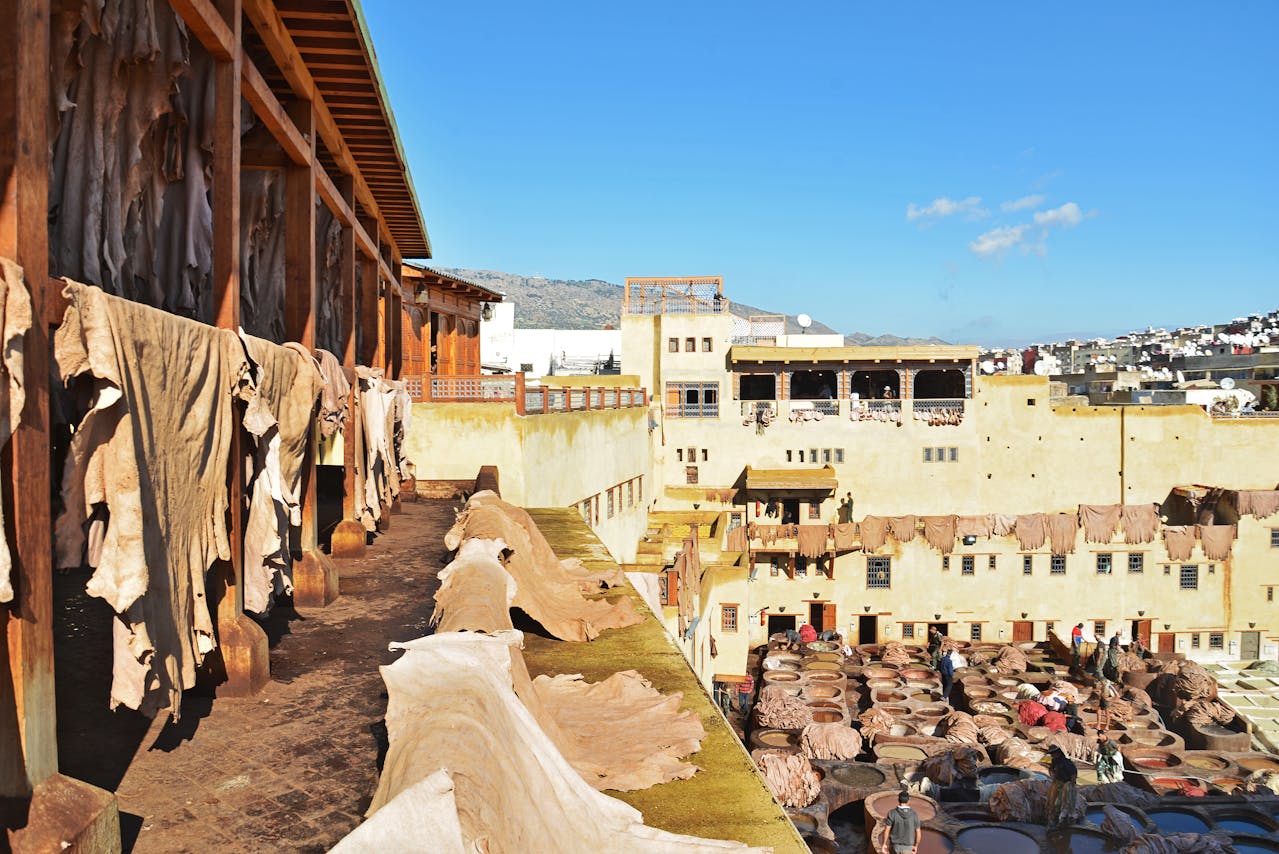
Chouara Tannery
Dating back to the 11th century.
Traditional leather tanning using natural dyes and centuries-old techniques.
Nejjarine Fountain & Wood Museum (18th century)
- Architecture: Moroccan urban
- Materials: carved cedar wood, zellige
Showcasing Morocco’s woodworking heritage.
Panoramic View of Fes
View the full medina layout and ancient walls from a hillside viewpoint.
Dinner and overnight in riad in Fes.
Day X
Day 8 – Fes → Middle Atlas → Merzouga (Sahara Desert)
Drive south through the Middle Atlas Mountains, witnessing a dramatic change in landscapes.
Ifrane
Founded in 1930 during the French period.
- Architecture: Alpine-style adapted to Moroccan climate
- Materials: stone, wood
Known for its clean streets, cedar forests, and cool climate.
Azrou Cedar Forest
Natural habitat of the Barbary macaque, an endangered native species.
After Ifrane, landscapes shift from forests to volcanic plateaus, palm valleys, and arid plains as you approach the Sahara.
Arrival in Merzouga late afternoon.
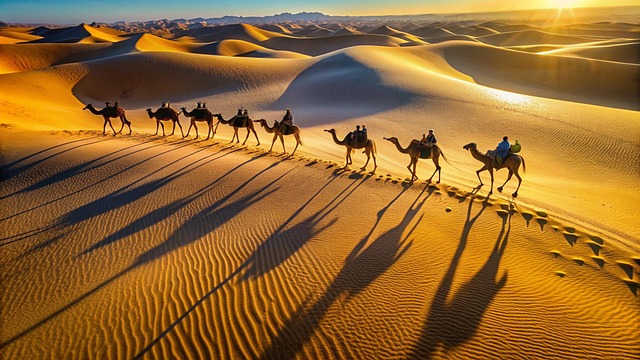
Camel Trek into Erg Chebbi
Ride camels across the dunes at sunset.
Dinner and overnight in a comfortable desert camp, with traditional music under the stars.
Day X
Day 9 – Sahara Exploration Day
Erg Chebbi Dunes
Natural sand dunes shaped by wind over thousands of years.
Khamlia Village
Home to Gnawa descendants.
Enjoy traditional Gnawa music and learn about their cultural heritage.
Rissani
Founded in the 8th century, former caravan trading center and birthplace of the Alaouite dynasty.
Erfoud
Known for fossil deposits dating back over 300 million years.
Dinner and overnight in desert hotel.
Day 10
Merzouga → Dades Valley → Ouarzazate
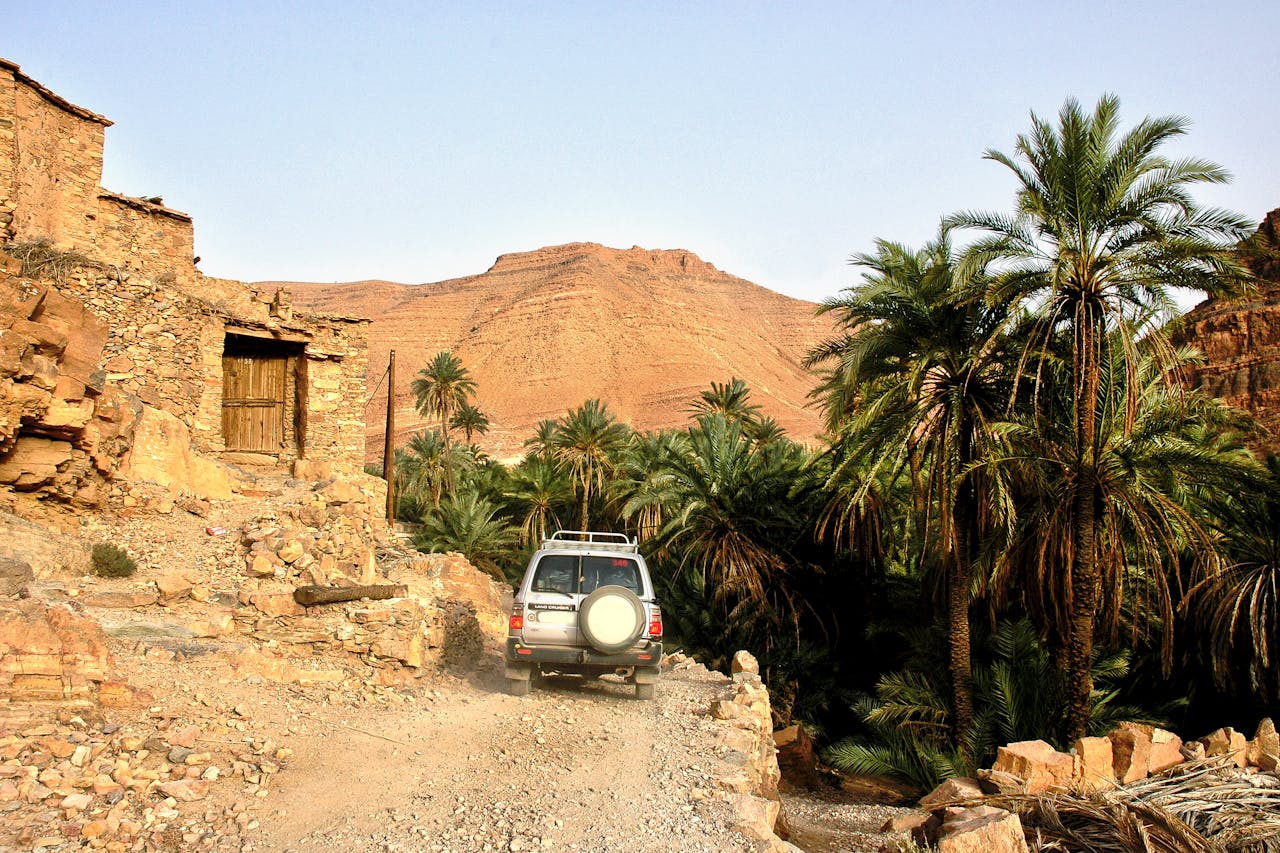
Dades Valley
Formed by river erosion over millions of years.
- Architecture: Berber earthen villages
- Materials: clay, stone
Known for rock formations and kasbahs.
Ouarzazate
Modern city developed in the 20th century.
Historically a caravan crossroads between Sahara and Marrakech.
Overnight near Ait Ben Haddou.
Day X
Ait Ben Haddou → High Atlas → Marrakech
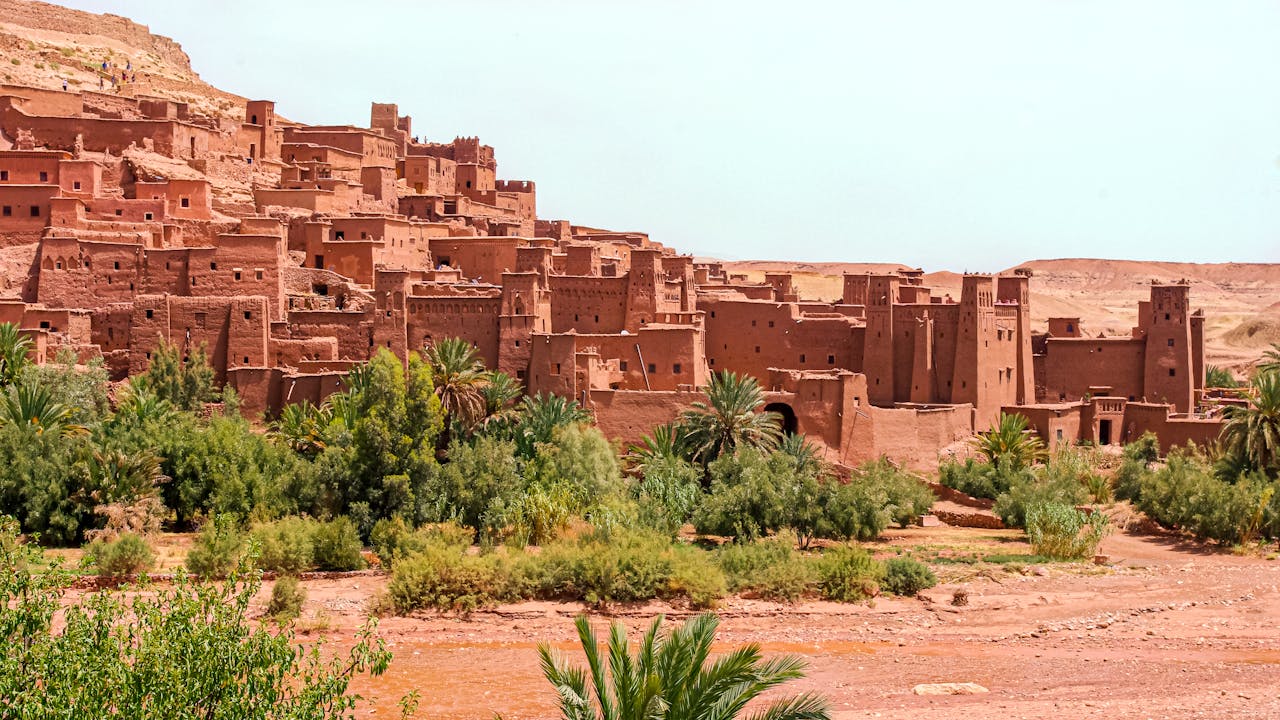
Ait Ben Haddou (UNESCO)
Established around the 17th century.
- Architecture: Berber ksar
- Materials: earth, straw, wood
- Techniques: rammed earth construction
High Atlas Mountains – Tizi n’Tichka Pass
Elevation: 2,260 meters
Lunch stop en route.
Arrival in Marrakech.
Overnight stay (3 nights total).
Day 12-14
Marrakech Exploration
Guided visits include:
- Medina (11th century)
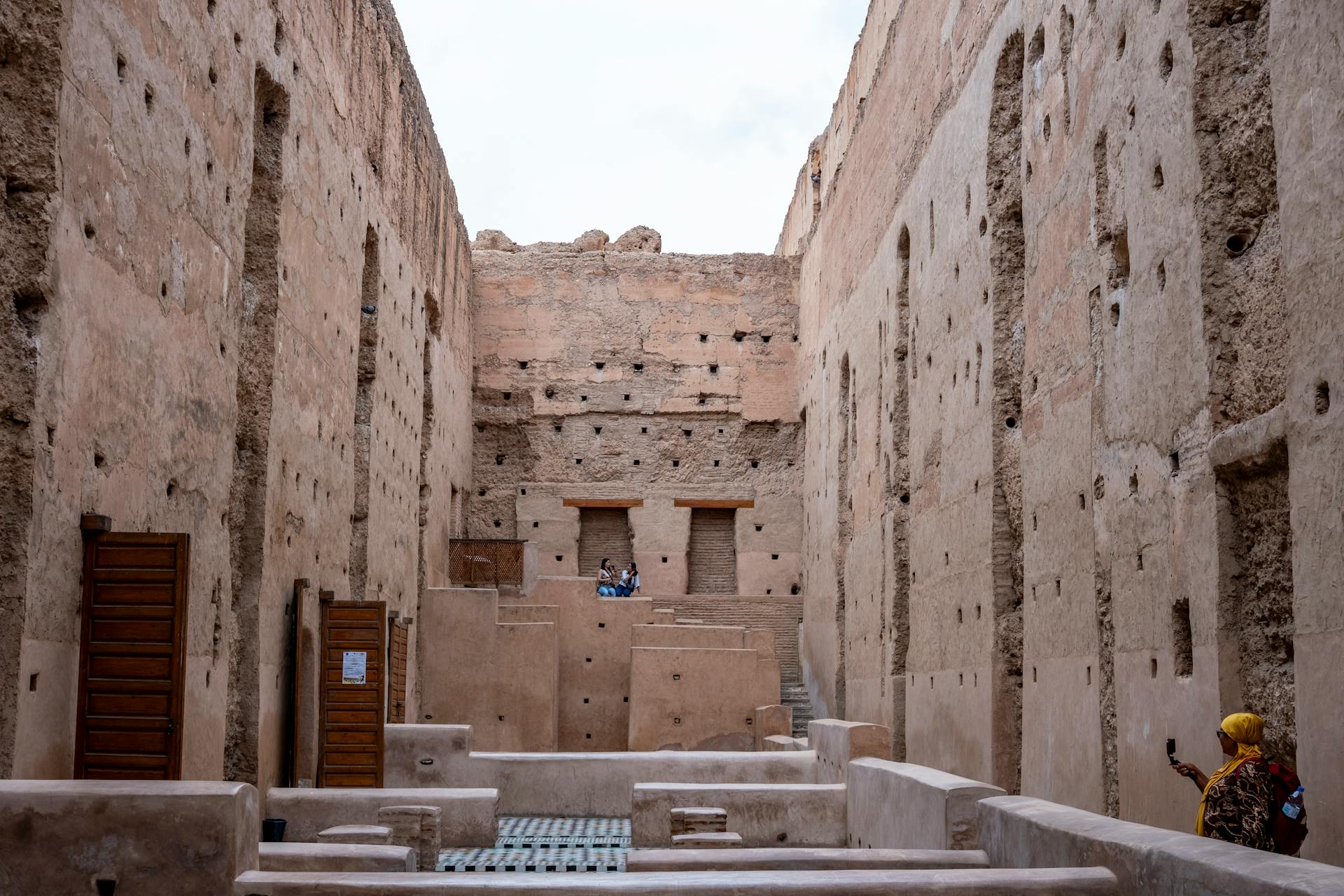
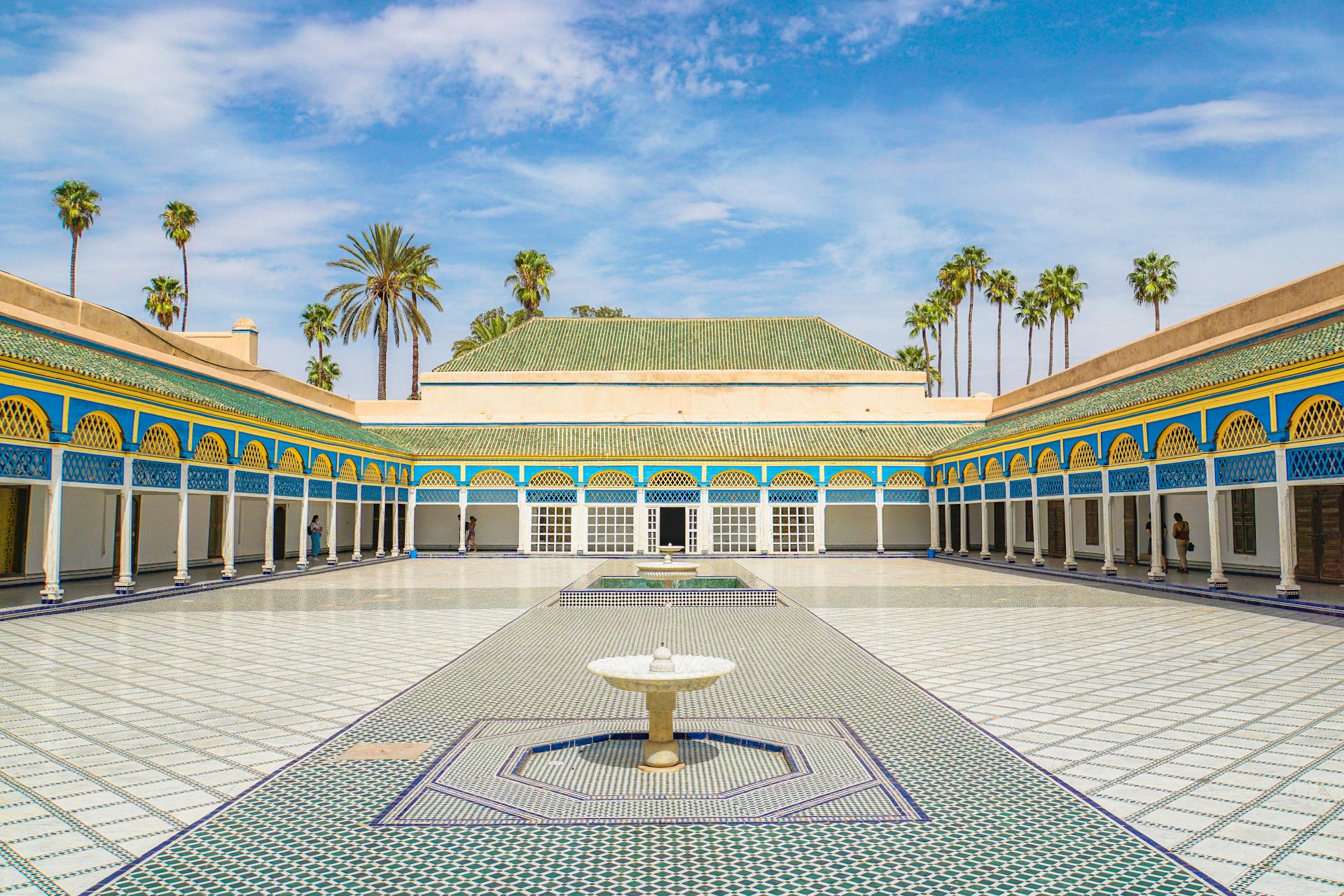
- Bahia Palace (19th century)
- Saadian Tombs (16th century)
- Jemaa el-Fnaa (UNESCO oral heritage)
Free time and cultural experiences.
Day 15-16
Marrakech → Agadir
Marrakech → Agadir
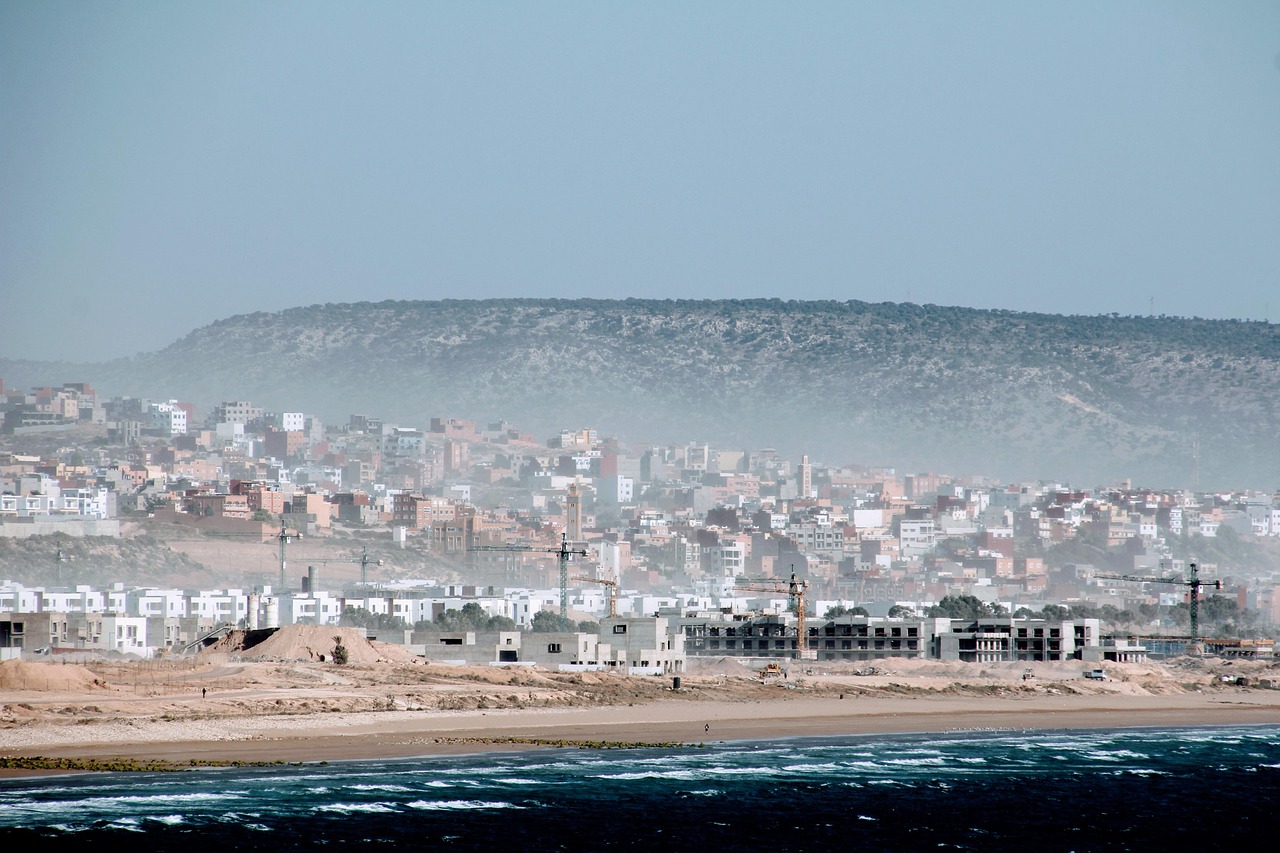
Drive to Agadir.
City rebuilt after the 1960 earthquake.
Relax on beaches and explore coastal life.
2 nights in Agadir.
Day 17
Agadir → Essaouira
Essaouira (Mogador)
Founded in 1765.
- Architecture: Moroccan with European military planning
- Materials: stone, wood
Known for arts, fishing port, and relaxed medina.
Overnight in Essaouira.
Day 18-21
Return to Marrakech or Casablanca
Transfer adapted to flight schedule and departure city.
No details found.
No details found.
No Details Found
Related Trips
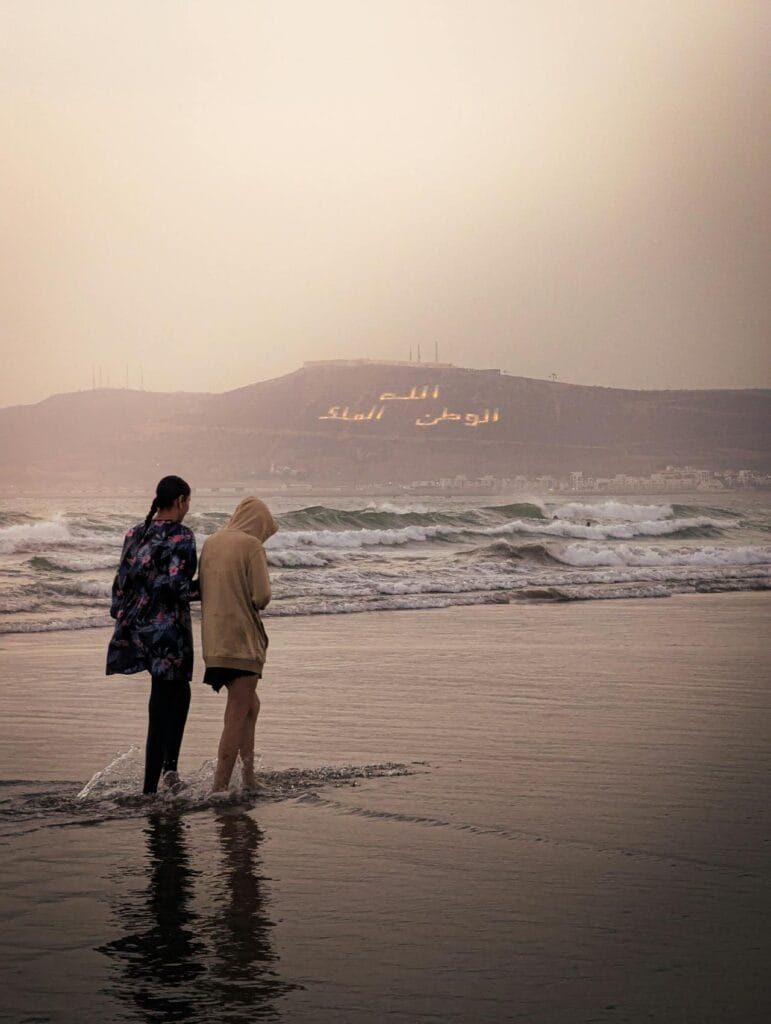
Morocco Atlantic Coastal Trip: 8 Days Ocean Journey
This Morocco atlantic coastal trip explores the country’s western shoreline as a historical and economic corridor shaped by maritime exchange, climate, and cultural
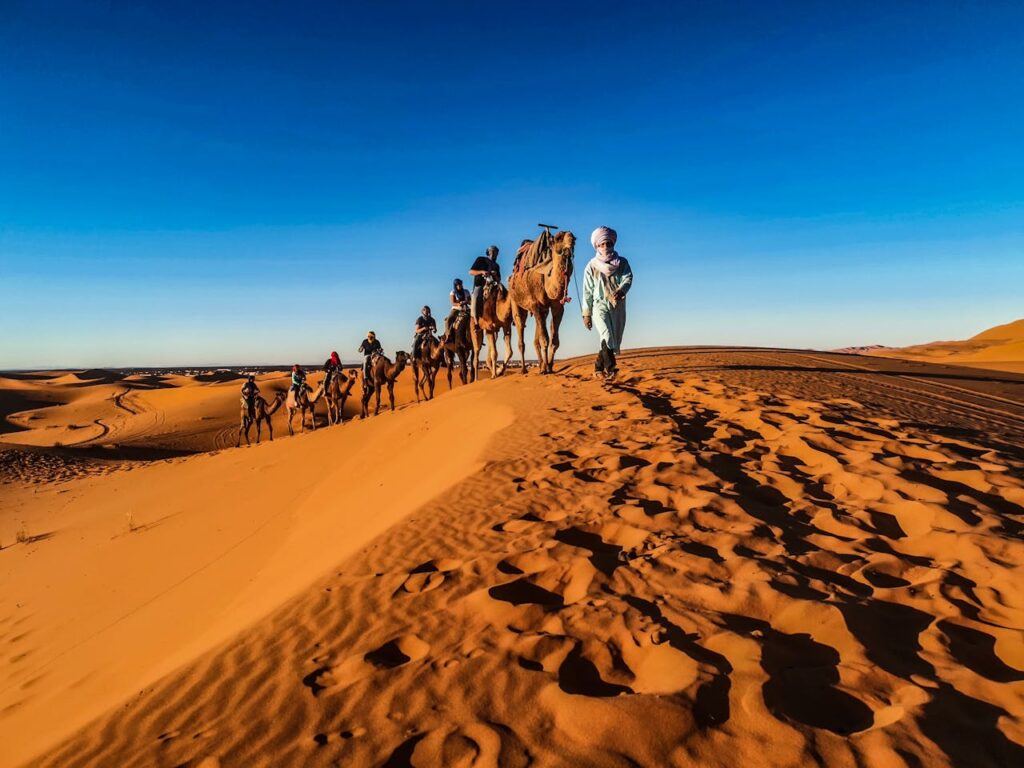
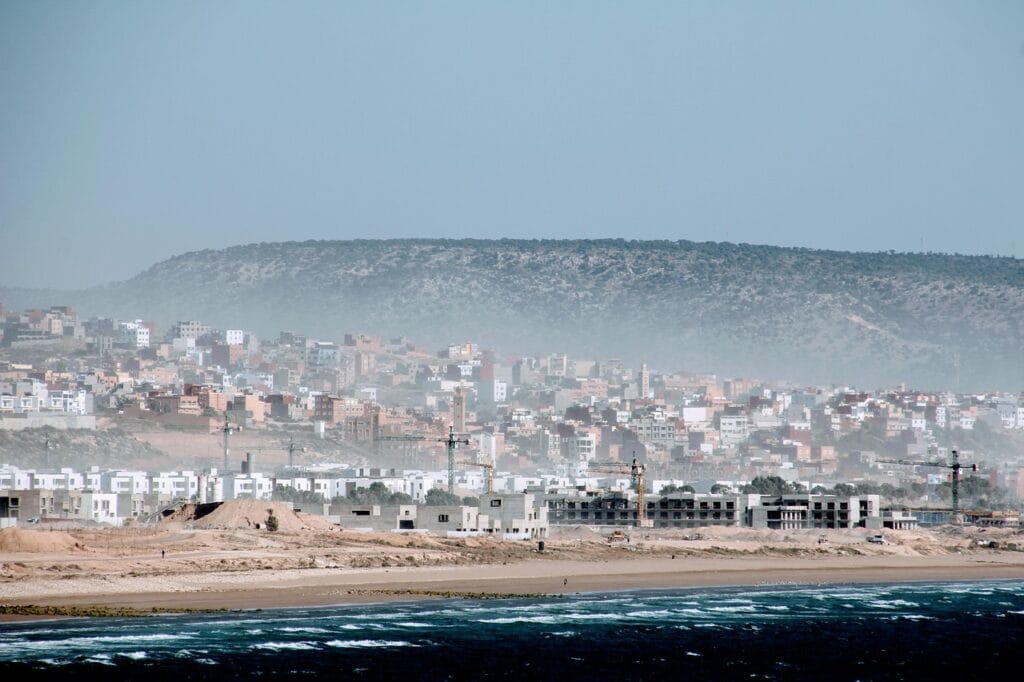
Marrakech Agadir Family Tour – Culture & Atlantic Adventure
The Marrakech Agadir Family Tour combines imperial history, outdoor adventure, Atlantic culture, and hands-on activities designed for families who want both education and
There are no reviews yet.